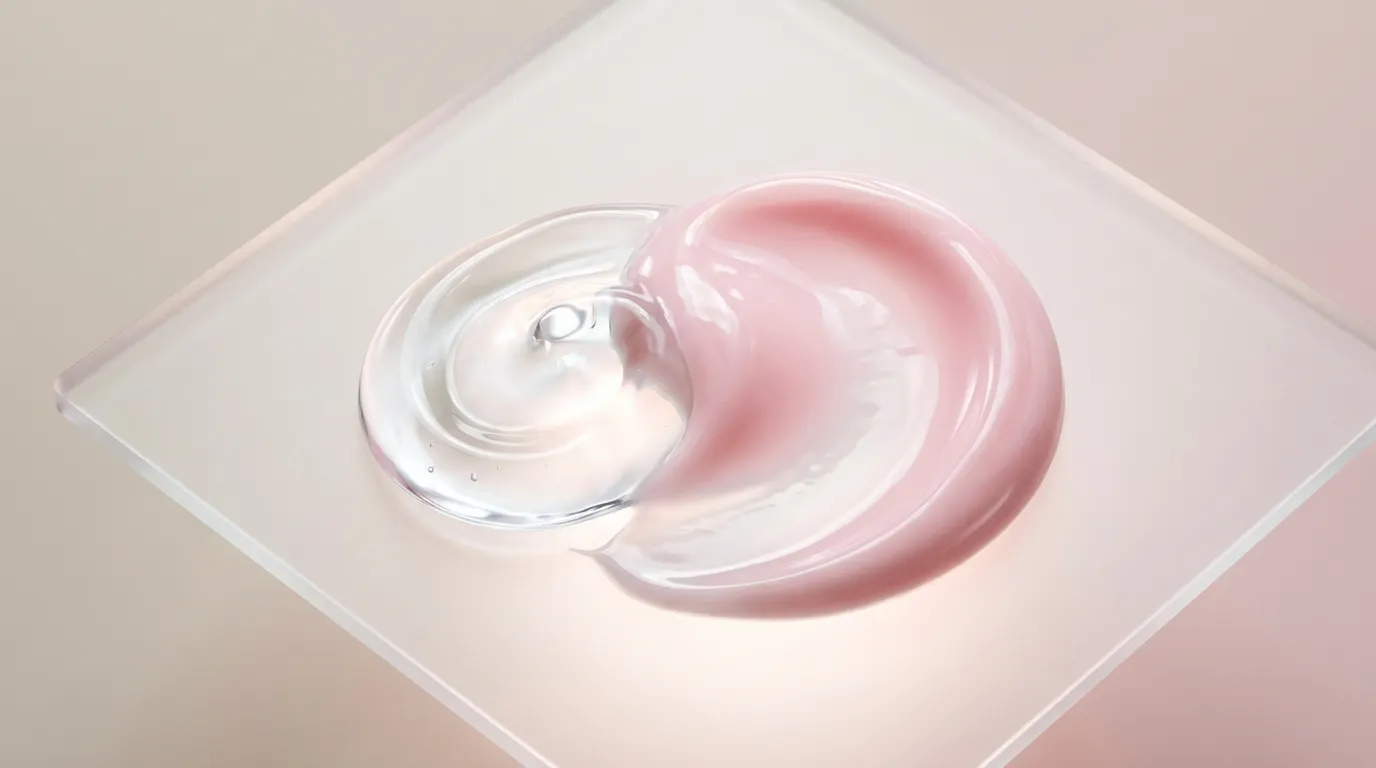
Layering topical cosmetic formulations requires strict adherence to physical chemistry rather than subjective preference. In my years as a cosmetic analyst, the single most common cause of self-induced barrier dysfunction or product failure is a flawed application order. When you master how to layer skincare products correctly, you respect the cellular transit pathways of the stratum corneum and ensure each active molecule reaches its targeted structural destination without interference.
Every cream, serum, and lotion is engineered around specific chemical constraints. Forcing an aqueous solution to pass through a dense lipid matrix is molecularly impossible, leading directly to surface evaporation, product pilling, or unwanted chemical inactivation. By approaching your regimen as a chemical sequence, you optimize active absorption and shield your skin from unnecessary inflammation.
The Molecular Mass & Phase Boundary Rule
Topical application must transition systematically from hydrophilic (water-loving, low molecular weight) phases to lipophilic (oil-loving, macro-molecular) phases. Any deviation where an anhydrous lipid matrix is applied beneath an aqueous vehicle reduces the absorption of the water-soluble active ingredient by up to 90% due to phase boundary repulsion.
The Scientific Foundation of Proper Skincare Layering
To understand how to layer skincare products properly, we must analyze the physical vehicle of each formula. Skin is naturally hydrophobic, meaning its lipid matrix shields against water loss. To deliver active molecules through this barrier, cosmetic chemists manipulate molecular sizes and solvent behaviors. If you are uncertain about what formulations fit your current collection, evaluating how to build a skincare routine provides an excellent structural starting point.
Viscosity vs. Solubility: The Base Medium Determines the Sequence
The golden rule of skincare layering—moving from thinnest to thickest—is built directly on viscosity mechanics. Low-viscosity fluids like toners, essences, and water-based treatments feature highly fluid molecules that travel rapidly into the upper layers of the epidermis. High-viscosity formulas, such as lipid-rich moisturizers and balms, contain long-chain polymers and heavy fatty acids that form physical blockades. If applied out of sequence, these large structures fill the cellular spaces, completely stopping lighter molecules from making contact with the skin.
Dermal Absorption Time and Ambient pH Mechanics
Another crucial variable is formulation pH. Highly acidic active ingredients, such as L-ascorbic acid (Vitamin C) or alpha-hydroxy acids (AHAs), function optimally within a narrow, low-pH environment (typically 2.5 to 3.5). If you layer a neutral-pH hydration serum too quickly over a highly acidic active, you instantly elevate the local pH level. This neutralizes the acid's ability to cross the lipid barrier and can cause severe product pilling as the polymers fall out of solution. To prevent this chemical conflict, it is essential to look at the exact chemical sequence detailed in our master guide on what order to apply skincare.
Optimal Matrix Layering
- Maximum Active Delivery: Allows low-pH and small-molecule actives to penetrate without structural blockades.
- Preserved Barrier Integrity: Locks in moisture efficiently using strategic occlusive placement at the end.
- Stable Formulation Chemistry: Avoids the chemical neutralization of sensitive molecules like Vitamin C.
Haphazard Application Flaws
- Severe Product Pilling: Happens when incompatible polymers collide and dry prematurely on the surface.
- Wasted Active Concentrations: High-value ingredients remain trapped above lipid films, causing oxidation.
- Localized Dermal Irritation: Occurs when volatile acids are mistakenly trapped beneath heavy occlusive oils.
How to Layer Skincare Products Step by Step
Achieving structural balance in your skin requires adjusting your application steps between daylight protection and nighttime cellular repair. By organizing your products into clear morning and evening steps, you protect the skin barrier while delivering deep cellular benefits.
The Morning Layering Protocol: Environmental Shielding
Your daytime sequence focuses squarely on neutralizing free radicals and creating an impenetrable shield against ultraviolet radiation. To layer your skincare products in the correct order for daytime, follow this clinical sequence:
- Cleanser: Use a non-stripping, water-soluble wash to remove overnight cellular debris without depleting natural protective lipids.
- Toner/Essence: Instantly balances surface hydration and readies the skin matrix for deeper product absorption.
- Targeted Antioxidant Serum: Apply pure Vitamin C formulations directly onto bare, dry skin to ensure maximum chemical stability.
- Hydrating Serums: Introduce moisture-binding molecules like low molecular weight hyaluronic acid to plump the tissue.
- Moisturizer: Seals the underlying moisture layers using soft, emollient fatty acids.
- Sunscreen (SPF): The ultimate top layer that must remain undisturbed to provide an even shield against UV damage.
The Evening Layering Protocol: Structural Cellular Repair
At night, your skin switches from defense to active renewal. How to layer skincare products at night depends heavily on avoiding common skincare mistakes to avoid, such as combining conflicting chemical peeling agents in the same session. Follow this precise PM skincare order:
- Double Cleanse: Start with an anhydrous oil cleanser to dissolve sebum, silicone primer, and water-resistant SPF. Follow immediately with a gentle water-based gel to thoroughly purify the skin.
- Exfoliating Acids (2-3x weekly): Apply AHAs or BHAs directly to dry skin, allowing them to lower surface pH and dissolve dead skin cells.
- Treatment Serums & Retinoids: This is where you apply your cell-communicating molecules to drive deep overnight renewal.
- Barrier Cream/Moisturizer: Complete your routine with a rich emulsion to minimize overnight trans-epidermal water loss.
Multi-Molecular Hyaluronic Complex
Best for Hydration Phase LayeringThis formulation blends three distinct molecular weights of hyaluronic acid. It is engineered to follow low-pH treatments like Vitamin C or chemical exfoliants, providing rapid hydration across multiple depths of the stratum corneum without disrupting your skin's natural pH balance.
Advanced Serum Combinations and Active Ingredient Layering
Layering multiple high-performance actives requires an understanding of how separate ingredients interact. For example, knowing exactly what is a serum in skincare allows you to evaluate its base matrix before mixing it with other potent treatments.
Retinoids, Exfoliating Acids, and the Trans-Epidermal Matrix
When organizing your retinoid layering order, your skin's moisture level plays a vital role. Applying a strong retinoid to damp skin speeds up absorption too quickly, which often triggers irritation and redness. For optimal results, ensure your skin dries completely for 5 to 10 minutes after applying your water-based steps before introducing your retinol. Additionally, avoid layering alpha-hydroxy acids (AHAs) and retinoids at the exact same moment; instead, use your exfoliating acids on alternate nights to shield your delicate skin barrier from stress.
Decoding The Ordinary and Complex Multi-Active Systems
Modern clinical routines frequently utilize single-molecule formulations from brands like The Ordinary. While these products are highly effective, they often rely on straightforward polymer structures that easily pill when layered incorrectly. To safely layer these products together, restrict your routine to a maximum of three active serums per session. Always pat your products gently into the skin rather than rubbing, which can disrupt the delicate film networks as they dry.
Encapsulated Retinol 1% Matrix
Best for Advanced Evening RenewalAn advanced, time-released retinoid fluid utilizing a protective lipid shell. Designed to be layered late in your evening routine, it penetrates deeply overnight to stimulate natural collagen production and accelerate skin cell renewal while minimizing surface irritation.
Frequently Asked Questions
How do you layer skincare products correctly?
To layer skincare products correctly, organize them by their physical consistency and pH requirements. Always apply your thinnest, water-based solutions first (such as toners and active serums) to ensure deep absorption, then follow with heavier emollient formulas (like moisturizers and oils) to lock everything in safely.
What is the correct wait time between skincare products?
For standard hydrating products like toners and hyaluronic acid, a wait time of 30 to 60 seconds is sufficient for the layer to settle. However, when working with high-performance actives like Vitamin C, exfoliating acids, or retinoids, allow 3 to 5 minutes for complete structural absorption before moving to your next step.
Should I apply retinol before or after moisturizer?
For maximum structural absorption, apply retinol onto dry skin before your moisturizer. If you experience skin sensitivity, you can employ the sandwich method: apply a thin layer of neutral lotion first, add your retinol layer, and complete the routine with a richer moisturizing cream to minimize irritation.
How should I layer products in a Korean skincare routine?
A multi-step Korean skincare routine follows a precise fluid sequence: begin with an oil cleanser, follow with a water cleanser, then layer your exfoliator, toner, essence, ampoule, moisturizer, and daytime sunscreen. This sequence ensures optimal hydration without weighing down the skin.
Can you layer Vitamin C and retinol together?
It is best not to layer pure Vitamin C and retinol at the exact same time due to their conflicting pH requirements. To enjoy the best results from both ingredients, apply your Vitamin C serum during your morning routine for antioxidant protection, and save your retinoid for your evening routine to support nighttime repair.
Why does my skincare pill when I layer products?
Product pilling happens when the synthetic polymers or heavy silicones in your skincare fail to absorb fully into the skin. This typically occurs when products are applied out of order, when too many formulas are used at once, or when you rub instead of gently patting the products onto your face.
How do I layer skincare products without damaging my skin barrier?
To preserve a healthy skin barrier, avoid over-layering too many strong exfoliating acids and retinoids in a single session. Introduce new active ingredients gradually, ensure your routine features nourishing ingredients like ceramides, and limit your active treatment steps to a maximum of three per routine.
Does sunscreen go before or after moisturizer?
Sunscreen must always be applied after your moisturizer. Sunscreen is engineered to form a protective outermost shield on the skin surface to deflect harmful UV rays. Applying a moisturizer on top of your sunscreen disrupts this vital barrier film and diminishes your sun protection.