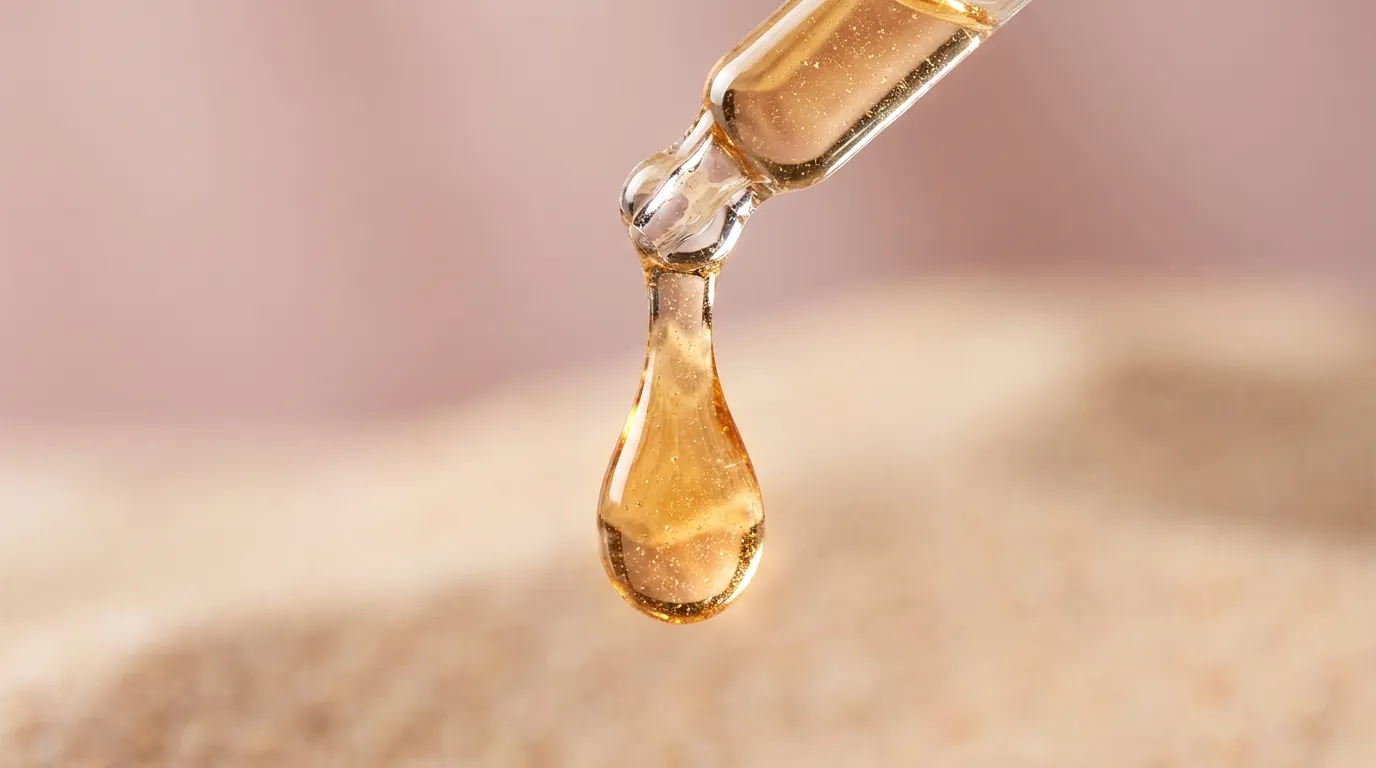
The cosmetic industry frequently markets serums as "boosters" or "magic elixirs," which completely obscures their actual chemical function. If you are asking exactly what is serum in skincare, the answer is grounded in fluid dynamics and molecular biology. A serum is a highly concentrated, low-viscosity delivery vehicle. Unlike heavy creams designed to sit on the surface of the skin, a serum is intentionally stripped of occlusive lipids and macromolecular thickeners so that its active ingredients can penetrate deeply into the stratum corneum.
When you apply a serum, you are utilizing a targeted pharmaceutical-grade matrix to alter the behavior of your skin cells. Whether the goal is to neutralize free radicals, stimulate collagen synthesis, or inhibit melanin production, the serum acts as the highly efficient courier system that gets these powerful molecules exactly where they need to go.
The Molecular Weight Advantage
The fundamental purpose of a serum is trans-epidermal penetration. By omitting heavy waxes, petrolatum, and rich seed oils, cosmetic chemists can suspend active compounds (like Vitamin C or Retinol) in lightweight aqueous or micro-emulsion bases. This smaller apparent molecular size allows the formula to bypass the outer lipid barrier, delivering a potent dose of actives directly to the cellular matrix.
What is the Purpose of Serum in Skincare?
To understand what does a serum do for your face, you must differentiate its structural role from your daily moisturizer. A moisturizer is a protective shield; it utilizes heavy emollients to seal moisture in and block environmental pathogens out. A serum, conversely, is an active intervention. It is engineered to correct structural flaws.
High-Concentration Active Loading
Because serums lack the bulky emulsifiers required to make thick creams, a much larger percentage of the bottle is dedicated to pure, active ingredients. While a standard anti-aging lotion might contain 0.5% of an active compound, a targeted serum can safely stabilize concentrations of 10% to 20%. This makes serums the heavy lifters of any clinical regimen, providing the highest biological return on investment.
Targeted Treatment Categories
Because of this high concentration, serums are not one-size-fits-all. They are highly specialized to address specific biochemical failures in the tissue. If your skin barrier is compromised and chronically dry, you must evaluate what is hyaluronic acid in skincare to understand how a humectant-based serum physically binds ambient water to your cells. If your issue involves hyper-seborrhea (excess oil) or inflammatory redness, an active serum featuring clinical doses of niacinamide in skincare acts to down-regulate sebum production and suppress the inflammatory cascade.
Dedicated Active Serums
- Maximized Penetration: Low molecular weight ensures actives reach the deeper epidermal layers.
- Customizable Protocols: Allows you to target different issues on different days (e.g., Vitamin C for day, Retinol for night).
- Faster Clinical Results: High concentrations of actives yield visible improvements in texture and tone rapidly.
"All-in-One" Active Moisturizers
- Blocked Absorption: Heavy lipid bases physically prevent water-soluble actives from penetrating the skin.
- Diluted Potency: The necessity of thickeners and waxes leaves less room for active ingredient concentrations.
- Formulation Instability: Mixing highly volatile actives (like L-Ascorbic Acid) into a heavy cream often leads to rapid chemical oxidation.
What Step is Serum in a Skincare Routine?
To optimize bioavailability, you must follow the laws of physical chemistry: layer from the lowest viscosity (thinnest) to the highest viscosity (thickest). If you apply a heavy cream first, the lipids will form an impermeable seal that the watery serum cannot cross.
Your correct protocol is straightforward. First, you cleanse. Second, you balance the skin’s pH. If you are unsure why this second step is biologically necessary, review exactly what is toner in skincare. Third, you apply your serum directly to the prepared, slightly damp skin. Fourth, you lock the serum into the tissue using a moisturizer. Finally, you apply broad-spectrum SPF if it is daylight.
For patients running complex routines with multiple active compounds, understanding exactly how to layer skincare products is mandatory. Mixing incompatible serums (such as a low-pH acid and a high-pH peptide) will instantly neutralize both formulas, rendering them useless.
15% L-Ascorbic Acid & Ferulic Matrix
Best Serum for Morning Antioxidant DefenseThis highly volatile, ultra-low viscosity serum is engineered strictly for morning application. Formulated at a precise pH of 3.0, the pure Vitamin C rapidly crosses the lipid barrier to neutralize free radicals generated by UV radiation, while actively inhibiting the tyrosinase enzyme responsible for dark spots.
Is Toner Necessary Before Serum?
While not strictly mandatory, an acid-adjusting toner creates the ideal environment for your serum. Tap water often leaves the skin slightly alkaline. Many highly effective serums—particularly those containing exfoliating acids or pure Vitamin C—require an acidic environment to remain chemically stable. A toner forces the skin back to a pH of 4.5, ensuring your expensive serum does not degrade upon contact with the tissue.
Can I Use a Serum Without Moisturizer?
This is a frequent and dangerous error. With very rare exceptions (such as specialized oil-based serums), most facial serums lack occlusive ingredients. If you apply a hydrating serum loaded with hyaluronic acid and fail to apply a moisturizer over it, the serum will rapidly evaporate into the air. Worse, it will pull the existing water out of your deeper skin layers as it evaporates, leaving your skin severely dehydrated. A moisturizer acts as the physical lid that seals the serum inside the biological matrix.
Multi-Molecular Hydration Serum
Best Serum for Trans-Epidermal Water LossA sophisticated aqueous gel utilizing three distinct molecular weights of hyaluronic acid, cross-linked with panthenol (Vitamin B5). This formulation bypasses surface hydration, driving moisture deep into the dermis to instantly plump fine lines while repairing micro-tears in the stratum corneum.
Frequently Asked Questions
What is serum in skincare used for?
A serum is used to deliver high concentrations of active ingredients (like antioxidants, peptides, or acids) directly into the deeper layers of the skin. Because it lacks heavy thickening agents, it penetrates the lipid barrier efficiently to target specific concerns like aging, acne, or hyperpigmentation.
Do you put serum on before or after moisturizer?
Serum must always be applied before moisturizer. A serum has a low molecular weight and watery viscosity, allowing it to sink into the skin. A moisturizer contains heavy lipids designed to sit on top of the skin. If you apply moisturizer first, it blocks the serum from absorbing.
Is a face serum really necessary?
While a basic routine only requires cleanser, moisturizer, and sunscreen, a serum is necessary if you want to correct a specific skin issue. Moisturizers primarily maintain the barrier; serums are the active agents required to fade dark spots, smooth deep wrinkles, or clear persistent acne.
What is the difference between serum and toner?
A toner is a liquid preparation used immediately after cleansing to restore the skin's acidic pH and remove residual hard-water minerals. A serum is a slightly thicker, highly concentrated treatment applied after the toner to deliver potent, corrective chemical compounds into the cellular matrix.
Can I use serum every day?
Yes, most serums are designed for daily use. Hydrating serums (like hyaluronic acid) and antioxidant serums (like Vitamin C) can be used every morning. However, highly active exfoliating serums (like strong AHAs) or potent retinoids should be cycled every other night to prevent barrier damage.
At what age should I start using a face serum?
You can begin using basic hydrating and antioxidant serums in your early 20s to defend against environmental UV damage and pollution. By your late 20s to early 30s, it is clinically recommended to introduce a collagen-stimulating serum (like retinol or peptides) to combat the natural slowdown of cellular turnover.
Why is my serum pilling on my face?
Pilling occurs when the synthetic polymers (like silicones or carbomers) in your serum do not fully absorb and begin to clump together. This usually happens if you apply too much product, fail to exfoliate dead surface cells, or do not wait 60 seconds for the serum to dry before applying your moisturizer.
Can I mix two different serums together?
Mixing serums in your hand before application is not recommended, as you risk disrupting the specific pH balance of the formulas. Instead, layer them sequentially. Always apply the most water-soluble, thinnest serum first, allow it to absorb for a minute, and then apply the thicker serum.