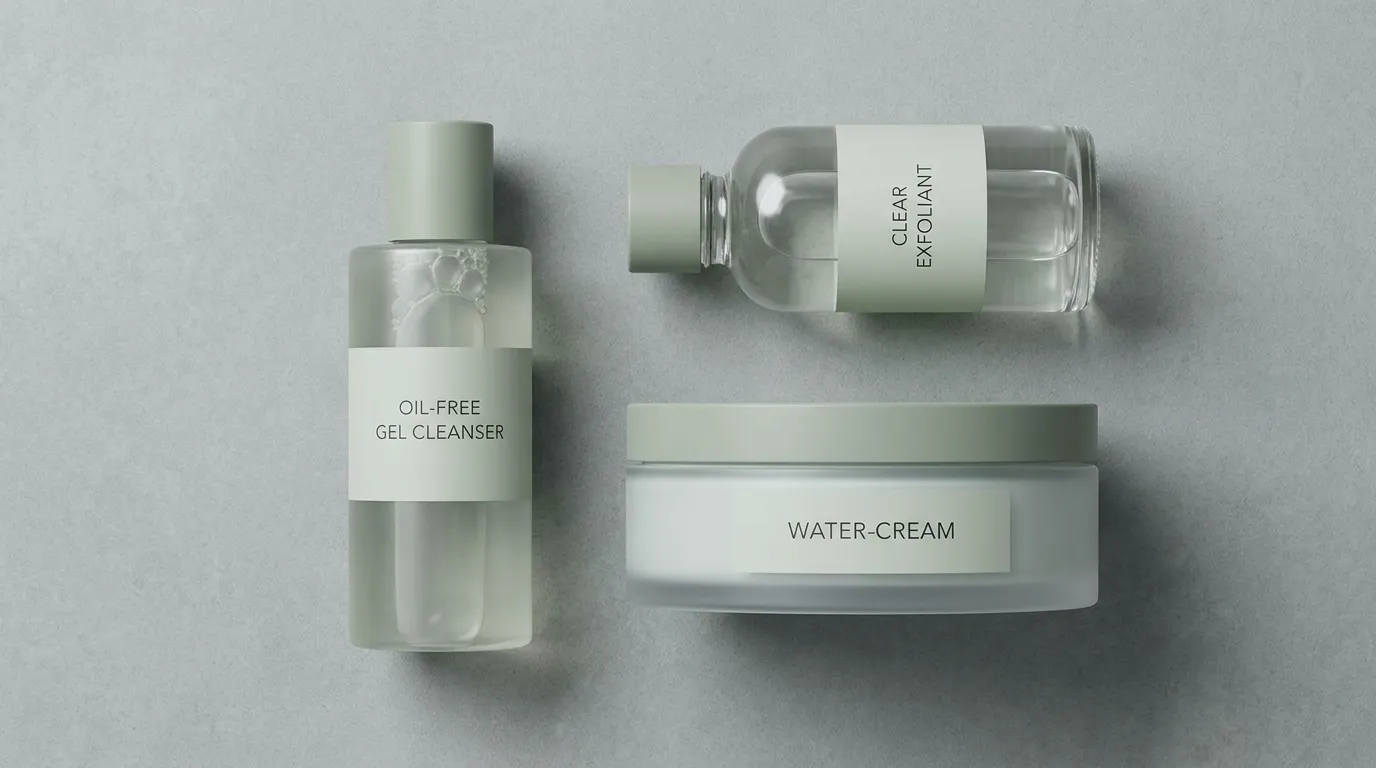
Oily skin, clinically referred to as hyper-seborrhea, is consistently the most mismanaged skin profile in cosmetic dermatology. Consumer instinct dictates that excess oil must be aggressively stripped away using harsh alkaline soaps, astringent alcohol toners, and abrasive physical scrubs. As a formulation chemist, I can assure you that this abrasive methodology fundamentally violates human biology and creates a perpetual cycle of inflammation and structural failure.
Your sebaceous glands do not function in isolation; they are deeply connected to the hydration levels of your stratum corneum. When constructing a scientifically sound skincare routine for oily skin, the objective is not eradication, but regulation. By utilizing targeted lipophilic acids and lightweight humectants, you can command your skin matrix to down-regulate oil production naturally.
The Rebound Seborrhea Phenomenon
When you utilize high-pH foaming detergents or denatured alcohol to completely degrease the skin, you instantly compromise the acid mantle. The brain registers this sudden lack of surface lipids as a barrier emergency, triggering a biological response known as "rebound seborrhea." The sebocytes are commanded to rapidly overproduce oil to compensate for the chemical trauma, leaving you significantly oilier than before you washed your face.
The Biochemistry of Hyper-Seborrhea
Sebum is a complex mixture of triglycerides, wax esters, squalene, and free fatty acids. It is biologically necessary to lubricate the tissue and maintain the skin's acidic pH (around 4.5 to 5.5). However, when androgen hormones trigger the sebaceous glands to overproduce this lipid mixture, the excess sebum oxidizes within the follicular duct. This creates a dense plug, leading directly to comedones (blackheads and whiteheads) and providing a breeding ground for acne-causing bacteria.
To interrupt this cycle, you must stop treating oil as the enemy and start managing your barrier's hydration levels. Understanding exactly how to choose skincare products for your skin type ensures that you select base vehicles—like water-based gels and light emulsions—that do not add exogenous (external) heavy waxes to an already lipid-rich environment.
The Morning Skincare Routine for Oily Skin
Your daytime protocol must focus on gentle purification, targeted sebaceous regulation, and matte environmental protection. Execute the following steps in sequence:
Step 1: The Lipophilic Cleanser (BHA)
A standard water-based cleanser cannot penetrate a heavy oil slick. You require a formulation containing 2% Salicylic Acid (a Beta Hydroxy Acid). Because BHA is lipophilic (oil-soluble), it cuts directly through surface sebum and penetrates the follicular lining, dissolving the oxidized lipids trapped inside the pore without stripping the surrounding tissue.
Step 2: Hydrating (Not Astringent) Toner
Discard any toner containing SD Alcohol 40 or high concentrations of Witch Hazel. Instead, apply a liquid humectant formula containing glycerin or green tea extract to immediately lower the surface pH post-cleansing and saturate the tissue with water.
Step 3: Sebum-Regulating Serum
This is your active intervention phase. The application of Vitamin B3 is mandatory for lipid control. If you examine what is niacinamide in skincare, you will find it is one of the only active compounds clinically proven to reduce the actual excretion rate of sebum from the gland, while simultaneously reducing the appearance of enlarged pores.
5% Niacinamide + Zinc PCA Fluid
Best Serum for Oily Skin RegulationAn ultra-lightweight, water-based serum engineered explicitly for hyper-seborrheic profiles. Formulated at the optimal 5% clinical threshold, it prevents inflammatory histamine release while utilizing Zinc PCA to aggressively mattify the skin matrix and suppress daytime oil breakthrough.
Step 4: The Gel-Water Moisturizer
Deliberately skipping moisturizer because your skin feels oily is one of the most destructive skincare mistakes to avoid. Depriving your cells of water accelerates rebound oil production. Opt for a silicone-based or dimethicone-heavy gel cream. These formulations lock in intracellular hydration without utilizing heavy, pore-clogging plant oils (like coconut or olive oil).
Step 5: Silica-Infused SPF
Ultraviolet radiation oxidizes the squalene in your sebum, making it highly comedogenic and inflammatory. A broad-spectrum SPF 30 or higher is non-negotiable. Look for chemical or hybrid sunscreens formulated with silica or finely milled powders that absorb excess oil and provide a soft-matte finish throughout the day.
Ideal Formulations for Oily Skin
- Gel and Water Vehicles: High water content hydrates the stratum corneum without adding unnecessary lipids.
- Beta Hydroxy Acids (BHA): Salicylic acid actively dissolves follicular impactions.
- Non-Comedogenic Silicones: Dimethicone prevents water loss while leaving a breathable, matte finish.
Formulations to Strictly Avoid
- High-Oleic Plant Oils: Ingredients like coconut oil, shea butter, and cocoa butter will physically trap sebum and cause congestion.
- Denatured Alcohol: Triggers severe dehydration, microscopic inflammation, and rapid rebound oil production.
- Alkaline Bar Soaps: Destroys the acid mantle, allowing acne-causing bacteria to proliferate unchecked.
The Evening Skincare Routine for Oily Skin
While the morning focuses on regulation, the evening is dedicated to deep purification and structural repair. If you suffer from frequent breakouts, integrating this sequence with a targeted acne-prone skincare routine will yield the highest clinical results.
- The Double Cleanse: Counterintuitively, oil dissolves oil. Begin with a non-comedogenic cleansing oil (like squalane or jojoba-based formulas) to break down trapped sebum, waterproof SPF, and makeup. Rinse, then follow with your water-based gel cleanser.
- Chemical Exfoliation (2-3x Weekly): Apply a leave-on liquid exfoliant containing AHA (Glycolic Acid) to dissolve dead surface cells, ensuring sebum can flow freely out of the pore rather than becoming trapped.
- Retinoid Application: Vitamin A derivatives (retinol, adapalene) are highly effective for oily skin. They accelerate cellular turnover and physically change the way the pore lining sheds, preventing microcomedones from forming.
- Lightweight Barrier Repair: Finish with a ceramide-enriched gel moisturizer to patch the lipid barrier and prevent overnight water evaporation.
2% BHA & Oat Gel Cleanser
Best Cleanser for Deep Follicular ClearingA sulfate-free, low-foaming gel cleanser meticulously pH-balanced to 4.5. It utilizes encapsulated salicylic acid for a sustained release inside the pore lining, avoiding the sudden stripping effect of traditional acne washes. Colloidal oatmeal neutralizes the stinging sensation and preserves the acid mantle.
Frequently Asked Questions
Do I need to use a moisturizer if I have oily skin?
Yes, unconditionally. Oil (sebum) and water (hydration) are two distinct biological components. Oily skin is frequently dehydrated. If you skip moisturizer, your skin senses the lack of water and forces the sebaceous glands to overproduce oil to compensate, making your face significantly greasier.
What is the best acid for oily skin?
Salicylic Acid (BHA) is the gold standard for oily skin. Because it is oil-soluble, it can penetrate through the sebum on the surface of your face directly into the pore, dissolving the oxidized lipids and dead cells that cause blackheads and acne.
Why is my skin so oily when I wake up?
Overnight, your body temperature rises slightly, and trans-epidermal water loss (TEWL) reaches its peak. If you do not apply a humectant and a lightweight occlusive moisturizer before bed, your skin dehydrates while you sleep, triggering a massive release of protective sebum by the time you wake up.
Should I wash my oily face more than twice a day?
No. Washing your face more than twice a day (morning and night) strips the skin of its essential lipids. This causes severe barrier disruption and initiates the rebound seborrhea cycle, resulting in increased oil production and potential contact dermatitis.
Are facial oils bad for oily skin?
Not necessarily, but they require careful selection. Heavy, high-oleic oils (like coconut or olive oil) are highly comedogenic and will clog pores. However, lightweight, high-linoleic oils (like squalane, grapeseed, or rosehip oil) mimic human sebum and can actually help signal the skin to stop overproducing its own oil.
Does Vitamin C work well on oily skin?
Yes, but the base formulation matters. Pure L-Ascorbic Acid is excellent for neutralizing the oxidation of sebum (which turns blackheads dark). However, many Vitamin C serums are formulated in heavy Vitamin E or oil bases for stability. Oily skin types should look for highly fluid, water-based Vitamin C serums.
What is the difference between oily skin and combination skin?
Oily skin produces excess sebum uniformly across the entire face (forehead, nose, chin, and cheeks). Combination skin features hyperactive sebaceous glands strictly in the T-zone (forehead, nose, and chin), while the cheeks remain either normal or chronically dry.
Can niacinamide help reduce oily skin?
Yes. Niacinamide (Vitamin B3) is one of the few active ingredients clinically proven to down-regulate sebaceous gland activity. Using a 5% niacinamide serum daily will physically reduce the volume of oil your skin excretes, thereby minimizing the visible size of your pores.
How do I stop my face from getting oily during the day?
Focus on barrier hydration at night, use a niacinamide serum in the morning to regulate gland output, and apply a mattifying, silica-based sunscreen. If oil breakthrough occurs, use blotting papers to absorb the lipids rather than applying heavy layers of talc-based powders, which can cause severe congestion.
Does drinking water help with oily skin?
Internal hydration supports overall organ health, but drinking excess water will not cure topical hyper-seborrhea, which is driven by genetics and androgen hormones. You must address the oil externally through proper topical chemistry and BHA exfoliation.