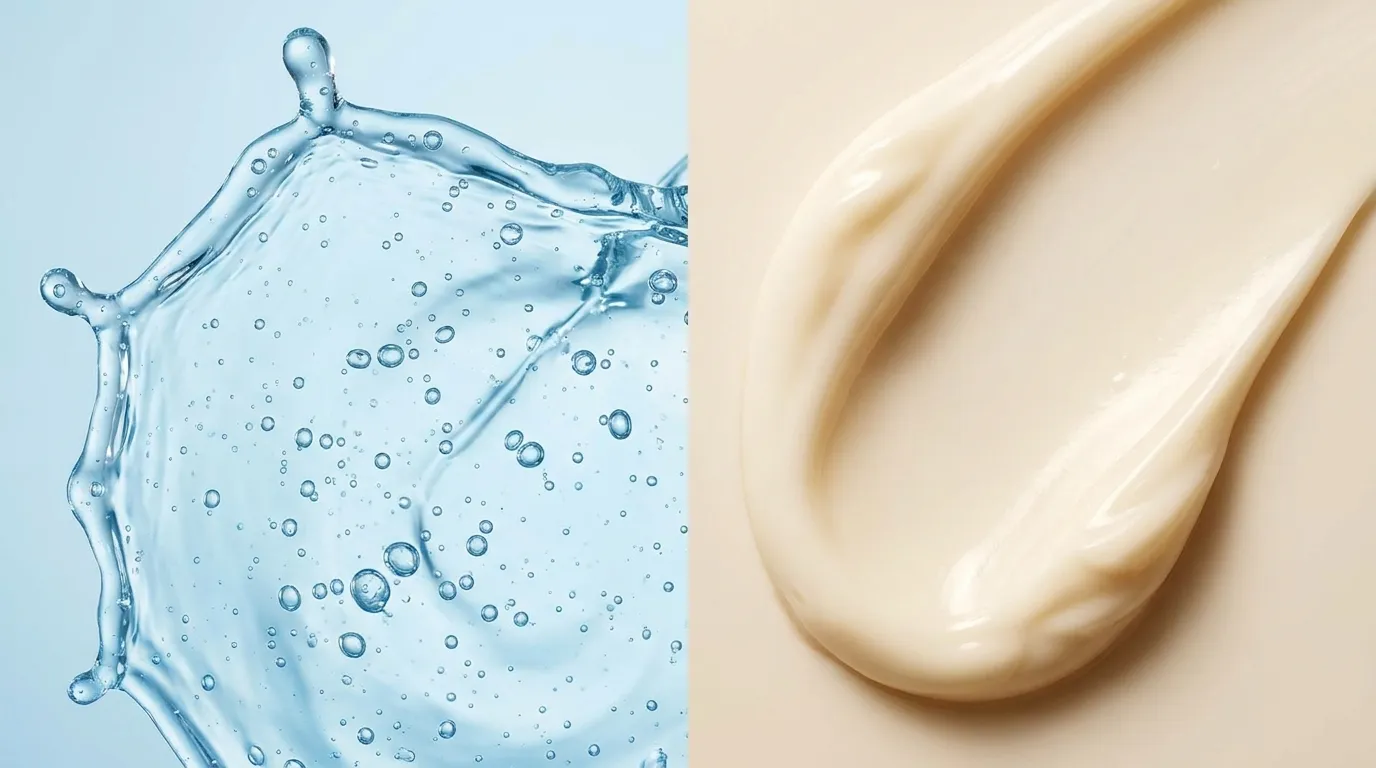
Selecting topical formulations based on aesthetic packaging or brand marketing is a primary catalyst for epidermal dysfunction. In cosmetic science, the structural matrix of your skin dictates precisely which chemical compounds it can absorb and which base vehicles will trigger severe inflammatory responses. When patients ask how to choose skincare products for your skin type, they often fail to realize that applying a dense, lipid-heavy cream to hyper-seborrheic skin or a highly astringent surfactant to a compromised lipid barrier creates an immediate biomechanical conflict.
Your skin is a living, semi-permeable organ. Treating it requires an objective analysis of your sebum (oil) secretion rates and trans-epidermal water loss (TEWL) patterns. By categorizing your skin biology accurately, you can filter thousands of commercial products down to the specific molecular weights and pH levels your barrier actually requires.
The Base Vehicle Rule
The efficacy of an active ingredient (like Vitamin C or Retinol) is entirely dependent on its delivery vehicle. If you have oily skin, an active suspended in a heavy oleic-acid base will trap sebum and cause acne. If you have dry skin, that same active suspended in a volatile alcohol base will destroy your remaining moisture barrier. You must match the product's physical viscosity to your skin type before evaluating the active ingredients.
Decoding Dermal Physics: How to Identify Your True Skin Type
Before purchasing any active treatments, you must establish an accurate biological baseline. Relying on transient symptoms—like temporary tightness from a harsh winter wind—can lead to chronic misdiagnosis. To objectively determine your classification, cosmetic chemists recommend a standardized diagnostic test.
The Bare-Faced Diagnostic Method
This protocol isolates your skin's natural physiological behavior from the influence of external cosmetics. Wash your face using a basic, sulfate-free cleanser, pat it completely dry, and apply absolutely zero products. Wait precisely 30 to 45 minutes, then observe the tissue behavior in a well-lit environment:
- Oily Skin: A visible, high-gloss lipid film develops uniformly across the forehead, nose, and cheeks. Pores remain structurally dilated.
- Dry Skin: The tissue feels physically restrictive during facial expressions. Micro-flaking or a dull, matte surface appears due to a lack of lipid production.
- Combination Skin: A distinct accumulation of sebum forms solely on the T-zone (forehead, nose, and chin), while the peripheral cheek tissue feels taut or neutral.
- Sensitive Skin: The barrier exhibits localized erythema (redness), a burning sensation, or tactile roughness simply from the friction of washing.
Formulator Guidelines: Matching Ingredient Matrix to Dermal Classifications
Once your biological baseline is confirmed, building a regimen becomes an exercise in basic chemistry. If you are uncertain about the bare minimum required to maintain cellular health, reviewing what skincare products do I need will help you strip away unnecessary marketing fluff and establish a core protocol.
Products for Oily and Acne-Prone Skin: Managing Lipophilic Secretions
Oily skin suffers from hyperactive sebaceous glands. The goal is to regulate sebum synthesis without resorting to aggressive alkaline soaps that strip the acid mantle. A clinical skincare routine for oily skin demands lightweight, water-based formulations. Look for non-comedogenic gel cleansers containing 2% Salicylic Acid (a BHA). Because BHA is lipophilic (oil-soluble), it cuts directly through sebum to dissolve follicular blockages.
For hydration, strictly utilize oil-free gel-creams formulated with Niacinamide (Vitamin B3) and Zinc PCA, which actively down-regulate sebum production while binding water to the epidermis.
Products for Dry and Lipid-Depleted Skin: Rebuilding the Biomimetic Barrier
Dry skin inherently fails to produce the lipids necessary to construct a functional barrier, leading to rapid water evaporation (high TEWL). The products you choose must artificially mimic this missing lipid bilayer. Avoid foaming cleansers entirely; utilize anhydrous cleansing balms or milky, non-foaming emulsions.
Your treatment phase requires understanding exactly what is hyaluronic acid in skincare. Introduce a high-molecular-weight hyaluronic acid serum to flood the cells with water, then immediately seal that hydration beneath a dense, occlusive cream rich in ceramides, squalane, and cholesterol.
Products for Combination Skin: Zone-Targeted Viscosity Modulation
Combination skin requires precise micro-management. Applying a heavy ceramide cream to an oily T-zone causes congestion, while applying an astringent BHA to dry cheeks causes severe scaling. The solution is spatial formulation. Use a pH-balanced gel cleanser across the entire face. Apply your lightweight serums universally, but restrict your rich emollient moisturizers strictly to the dry peripheral zones, utilizing a fluid gel moisturizer exclusively on the T-zone.
Products for Sensitive and Reactive Skin: Immunological Suppression
Reactive skin possesses a compromised stratum corneum that allows environmental irritants to trigger immune responses easily. When selecting products for sensitive skin, the exclusion of ingredients is more critical than the inclusion. You must eliminate all volatile essential oils, synthetic fragrances (parfum), and high-concentration chemical exfoliants. Opt for hypoallergenic, minimal-ingredient formulas featuring potent anti-inflammatory agents like Colloidal Oatmeal, Centella Asiatica (Cica), Allantoin, and Panthenol to suppress cellular reactivity.
Targeted Ingredient Protocols
- Optimized Delivery: Formulations engineered for your specific lipid levels ensure actives penetrate efficiently without structural resistance.
- Barrier Preservation: Matching product viscosity to your skin prevents the artificial suffocation or stripping of the epidermis.
- Cost Efficiency: Eliminates the financial waste of purchasing chemically incompatible trending products.
The "One Size Fits All" Marketing Myth
- Inflammatory Cascades: Using generalized products often introduces harsh sensitizers that trigger chronic contact dermatitis.
- Follicular Impaction: Heavy, universal "miracle creams" frequently induce closed comedones (whiteheads) on oil-prone tissue.
- Chemical Neutralization: Haphazard application of incorrect bases neutralizes sensitive actives like L-Ascorbic Acid (Vitamin C).
Reading the Ingredient Label: Avoiding Formulation Pitfalls
A fundamental error in consumer skincare is purchasing a formula solely for its "hero" active ingredient without evaluating the solvent matrix. For instance, utilizing a Vitamin C serum packaged in a clear glass dropper bottle guarantees rapid oxidation; the molecule degrades into useless erythrulose upon UV exposure. Recognizing these structural flaws is critical. Understanding common skincare mistakes to avoid—such as ignoring product pH or layering incompatible polymers—protects both your skin barrier and your financial investment.
The Clinical Biomimetic Lipid Cream
Best for Dry and Sensitive Skin TypesFormulated utilizing a precise 3:1:1 ratio of ceramides, cholesterol, and free fatty acids, this advanced occlusive cream directly mimics the structural architecture of a healthy human lipid barrier. Free from essential oils and synthetic fragrances, it instantly patches microscopic epidermal cracks, suppressing trans-epidermal water loss without triggering inflammatory immune responses.
Frequently Asked Questions
How do I know my exact skin type?
To determine your exact skin type, perform the bare-faced test. Wash your face with a mild cleanser, pat dry, and wait 30 minutes without applying any products. If your face feels tight and flaky, you have dry skin. If it appears shiny all over, you have oily skin. If only your nose and forehead are shiny while your cheeks remain tight, you possess combination skin.
Can my skin type change over time?
Yes, your biological skin classification is not static. It alters based on hormonal fluctuations, environmental climate shifts, age-induced decreases in lipid production, and pharmaceutical medications. You must continually reassess your barrier function and adjust your product viscosities accordingly.
What should I avoid if I have oily skin?
Oily skin types must strictly avoid heavy occlusive agents like petrolatum, mineral oil, shea butter, and dense fatty acids (like coconut oil or cocoa butter). These macromolecular lipids trap excess sebum inside the follicle, leading directly to inflammatory acne lesions.
Are fragrance-free products necessary for sensitive skin?
Yes, fragrance (both synthetic "parfum" and natural essential oils) is the leading cause of allergic contact dermatitis in cosmetics. Sensitive skin possesses a weakened barrier that allows these volatile aromatic compounds to penetrate deeply, triggering severe localized immune responses.
How do I choose a moisturizer for combination skin?
Combination skin requires a dual-texture approach. The most effective method is utilizing a lightweight, water-based gel or lotion for your entire face, and layering a secondary, slightly richer emollient cream strictly over the dry patches on your cheeks and jawline.
What ingredients are best for dry skin?
Dry skin lacks both water and structural lipids. You must select products containing potent humectants (like Hyaluronic Acid and Glycerin) to attract water, combined with heavy emollients (like Ceramides, Squalane, and Colloidal Oatmeal) to physically seal the moisture inside the cellular matrix.
Why is my current skincare routine causing breakouts?
Breakouts occur when you apply products formulated with a heavy base vehicle that is incompatible with your sebum levels. Alternatively, introducing too many active exfoliating acids at once can destroy the acid mantle, allowing acne-causing bacteria to proliferate unchecked across the compromised tissue.
Should all skin types use a daily sunscreen?
Absolutely. Ultraviolet radiation systematically degrades cellular DNA and dermal collagen regardless of your sebum production or hydration levels. Oily skin should utilize matte, fluid chemical sunscreens, while dry and sensitive skin benefits heavily from mineral-based zinc oxide creams containing added ceramides.