The best retinol for a beginner is not always the product with the highest percentage or the loudest promise. It is the one you can use consistently without turning your routine into a cycle of burning, peeling, and recovery. That usually means a low-strength formula, a simple base, clear directions, protective packaging, and a texture that fits your skin.
What makes a retinol beginner-friendly?
A beginner formula should make controlled use easier. The product should explain how often to use it, whether its percentage is disclosed, what other retinoids to avoid, and how to store it. A low starting strength helps, but it is not the only factor. The base can include humectants, emollients, or soothing ingredients that reduce the dry feel. Fragrance and a high alcohol level may be uncomfortable for reactive skin.
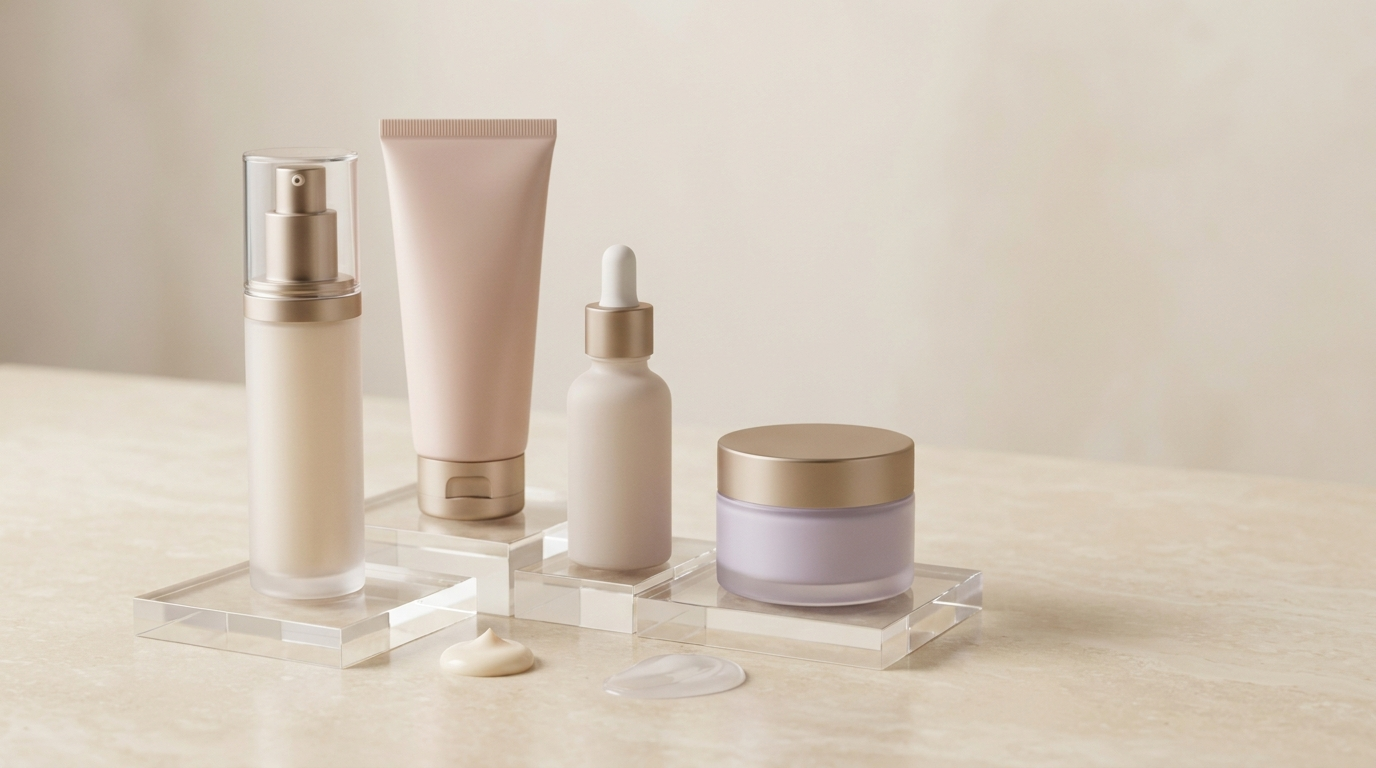
Packaging matters because retinol can degrade with light, heat, and air. An opaque tube, airless pump, or dark bottle is easier to protect than a wide open jar. A dropper is not automatically bad, but you should close it quickly and follow storage directions.
Our beginner retinol shortlist
These examples represent useful beginner formats rather than a universal ranking. Availability and formulas vary by country. Check the official label, ingredient list, expiration information, and pregnancy warnings before use.
1. The Ordinary Retinol 0.2% in Squalane
Best for: shoppers wanting a clearly disclosed low percentage and an oil-like base. The official formula lists 0.2% retinol in squalane and directs users to apply a few drops in the evening, avoid other retinoids, refrigerate after opening, and use sun protection. The brand also warns about redness and peeling during early use.
Think twice if: you dislike facial oils, live in a hot environment without easy cool storage, or want a fast-drying water serum. Squalane may feel comfortable on dry skin but heavier on some oily users.
2. CeraVe Resurfacing Retinol Serum
Best for: people who prefer a light serum format with supporting ceramides and a brand-positioned encapsulated retinol system. It is commonly chosen by users focused on post-acne marks and texture. The product does not need to win by percentage; the important question is whether the complete formula and frequency fit your skin.
Think twice if: you require a disclosed retinol percentage to compare products. “Encapsulated” describes delivery but does not tell you the exact strength.
3. La Roche-Posay Retinol B3 Serum
Best for: normal or dry skin that likes a hydrating serum feel. Retinol is paired with niacinamide and humectant ingredients in the product concept. It may suit someone who wants one serum for texture and uneven tone.
Think twice if: your skin reacts to fragrance or complex formulas. Always check the current U.S. ingredient list because regional formulas can differ.
4. A low-strength fragrance-free retinol cream
Best for: dry skin that does not enjoy thin serums. Several drugstore and dermatologist-oriented brands sell retinol in a moisturizing cream. A cream can reduce the number of layers needed at night.
Think twice if: a rich cream tends to worsen congestion for you. “Non-comedogenic” is a useful testing claim, but no label can guarantee that every person will remain breakout-free.
5. A retinal or granactive retinoid alternative
Retinaldehyde and hydroxypinacolone retinoate are not the same ingredient as retinol. Some products market them as faster or gentler, but the evidence and concentrations are not directly comparable. They may be reasonable options, yet someone searching specifically for a beginner retinol should understand the label difference.
How to compare products at the store
| Check | Good sign | Reason |
|---|---|---|
| Strength | Low starting option or clear beginner directions | Helps control irritation |
| Packaging | Opaque, dark, or air-restrictive | Helps protect a light-sensitive ingredient |
| Base | Texture you will use consistently | Comfort affects adherence |
| Supporting ingredients | Glycerin, squalane, ceramides, or niacinamide | May improve the feel of the routine |
| Directions | Frequency, amount, storage, and warnings are clear | Reduces guesswork |
| Marketing | Realistic claims without instant-result language | Retinol works slowly |
Serum, cream, or oil: which format is best?
A serum usually feels light and layers under moisturizer. A cream combines treatment with a more cushioning base. An oil-like anhydrous serum may suit dry skin but can feel slick. Format does not tell you strength. Choose based on the products already in your routine and the finish you can tolerate.
If your routine already includes a rich ceramide moisturizer, a light serum may be easier. If you prefer one evening step, a retinol cream can be simpler.
Best retinol for sensitive skin beginners
Sensitive skin needs stricter selection. Look for fragrance-free products, the lowest available strength, and a base without several exfoliating acids. A long ingredient list is not automatically bad, but it creates more possible triggers. Active eczema, rosacea, or dermatitis should be calm before experimenting, and a dermatologist may advise avoiding retinol.
Our dedicated sensitive-skin retinol plan explains patch testing, moisturizer buffering, and stop signs.
Best retinol for acne-prone skin beginners
Over-the-counter retinol is not identical to prescription acne retinoids such as adapalene or tretinoin. Mild acne and post-acne marks may improve for some users, but persistent inflammatory acne deserves evidence-based treatment. Choose a light base, avoid stacking several new acne products, and watch whether the formula itself feels too heavy.
If acne is painful, scarring, or linked with hormonal changes, a product round-up is not enough. A dermatologist can identify the right retinoid and build a safer combination plan.
Best retinol for dry skin beginners
Dry skin often does better with a cream or squalane base plus a separate moisturizer. Apply retinol to dry skin and consider the sandwich method. Do not use a foaming cleanser that leaves your face tight. A bland recovery routine on non-retinol nights is part of the product choice, not an afterthought.
What we would not choose for a first retinol
- A 1% retinol sold as an aggressive transformation product.
- A formula that combines retinol with a strong exfoliating blend and gives vague directions.
- A jar that will be opened repeatedly when better protected options are available.
- A product bought only because it is viral, expensive, or described as “medical grade.”
- Any retinoid during pregnancy without direct medical instruction.
How to test your chosen product
Patch test according to the brand directions. Then use a pea-size amount once weekly for two weeks. If skin remains calm, move to twice weekly on non-consecutive nights. Keep cleanser, moisturizer, and sunscreen stable during the trial. That makes it easier to identify the cause if irritation starts.
Take one photo in the same lighting before starting and another every four weeks. Judge comfort first. Visible changes often take months, and no beginner product should promise a dramatic result in days.
A practical scorecard before you buy
Give each product one point for a low starting strength, clear directions, protective packaging, a texture suited to your skin, no fragrance when you are sensitive, and a price you can repurchase. Subtract a point for vague “professional strength” language, a wide jar, several strong actives in one formula, or no storage guidance. This is not a scientific rating. It is a way to slow down impulse buying.
Then compare the winner with what you already own. If you have a gentle cleanser, moisturizer, and sunscreen, you may be ready. If you lack daily sunscreen or your face already stings, do not buy retinol yet. Fix the foundation first.
When a product is not working for you
A retinol can be well formulated and still be wrong for your skin. Stop and reset if every use causes several days of burning or peeling. If the texture causes repeated clogged bumps, try a lighter base after your skin recovers. If the serum turns dark, smells different, or passes its after-opening period, follow the brand's disposal guidance.
Do not mix a strong product into moisturizer inside the jar or bottle. That can change preservation and dosing. If you need buffering, layer moisturizer on the skin. Do not transfer retinol into a clear decorative container. Keep the original package so directions, batch details, and expiration information remain available.
Frequently asked questions
Is a retinol serum or cream better for beginners?
A cream often suits dry skin, while a light serum may suit oily skin. Strength, fragrance, packaging, and the complete formula matter more than format alone.
Is 0.1% or 0.2% retinol good for beginners?
Those are common low starting strengths, but different formulas cannot be compared by percentage alone. Follow the label and start slowly.
Does expensive retinol work better?
No. Price does not prove stability, tolerance, or performance. Good packaging, clear directions, and consistent use matter more.
How long should a beginner test one retinol?
Give the routine several weeks for tolerance and longer for visible results, unless irritation means you need to stop sooner.
Sources and label checks
Disclosure: Product examples are editorial references, not paid placements. Prices, availability, and formulas can change. Verify the current U.S. label.