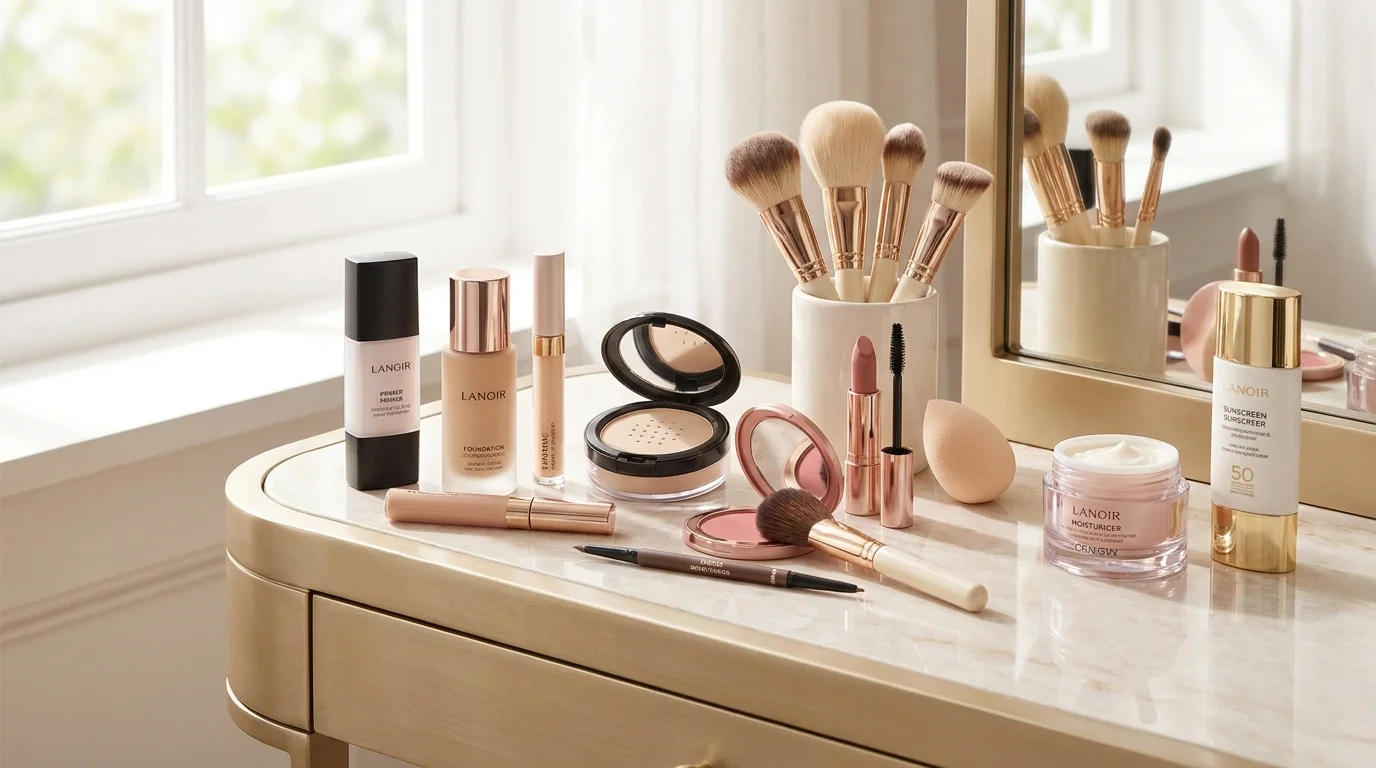
Makeup can feel overwhelming when you're staring at dozens of products, brushes, and tutorials that all seem to follow different rules. The good news is that learning how to do makeup for beginners does not require professional skills or a drawer full of expensive products. A simple, structured routine built around healthy skin preparation, strategic product placement, and proper blending can help you create a polished, natural look that works for school, work, special events, or everyday wear.
At Alpha Glow Girl, we believe great makeup starts long before foundation touches the skin. The most beautiful makeup application comes from understanding your skin, choosing products that suit your complexion, and applying them in the correct order. This step-by-step guide will show you exactly how to start doing makeup for beginners while helping you avoid the mistakes that commonly cause cakiness, patchiness, and uneven coverage.
Healthy Skin Preparation Determines Makeup Performance
From a cosmetic formulation perspective, foundation, concealer, and powders perform best when applied over properly hydrated skin protected with moisturizer and sunscreen. Skin preparation often influences makeup longevity more than the makeup itself.
What Makeup Beginners Actually Need
If you're learning how to do makeup for beginners step by step, ignore social media pressure to buy everything at once. Most beginners only need a few essential products to create a complete makeup look.
- Moisturizer
- Sunscreen
- Primer
- Foundation
- Concealer
- Setting powder
- Blush
- Eyebrow pencil
- Eyeshadow palette
- Eyeliner
- Mascara
- Lipstick or lip tint
- Setting spray
- Makeup sponge
- Basic makeup brushes
You can build a complete beginner-friendly routine with these products before exploring contour, bronzer, highlighter, soft glam looks, or more advanced techniques.
Skincare Before Makeup: The Most Important Beginner Step
One of the biggest mistakes beginners make is applying makeup directly onto dry, dehydrated, or unprepared skin. Makeup sits on top of skin. If the surface is rough, flaky, or excessively oily, foundation and concealer will exaggerate those issues.
Before applying makeup, spend a few minutes preparing your skin correctly. If you're still building a routine, read our skincare routine for beginners guide.
Step 1: Cleanse the Skin
Start with freshly cleansed skin. Removing excess oil, sweat, and debris helps makeup adhere more evenly throughout the day.
Step 2: Apply Moisturizer
Moisturizer helps create a smooth surface while reducing patchiness. Even oily skin types need hydration because dehydrated skin often produces more oil as compensation.
Step 3: Use Sunscreen
Sunscreen should be part of every daytime makeup routine. UV exposure contributes to premature aging, pigmentation, and collagen breakdown. Allow sunscreen to settle for several minutes before applying makeup.
Step 4: Apply Primer
Primer acts as a bridge between skincare and makeup. Depending on the formula, it can blur pores, reduce shine, increase hydration, or improve makeup wear time.
If you're unfamiliar with primers, learn more about what makeup primer actually does before choosing one.
Benefits of Proper Skin Prep
- Smoother foundation application
- Less creasing and patchiness
- Improved makeup longevity
- Better overall skin appearance
- More natural finish
Skipping Skin Prep Can Cause
- Cakey foundation
- Uneven texture
- Excessive oil breakthrough
- Dry patches
- Poor makeup wear time
How to Do Makeup for Beginners Step by Step
The following routine represents the easiest and most effective order for beginners learning how to do a full face makeup look.
Step 1: Apply Primer
Dispense a small amount of primer and gently spread it across the face. Focus on areas where makeup typically breaks down, such as the forehead, nose, and chin.
A pea-sized amount is usually enough. Applying too much primer can cause foundation to separate later in the day.
Step 2: Apply Foundation
Foundation creates an even-looking complexion by balancing redness, discoloration, and uneven skin tone.
Place small dots of foundation across the forehead, cheeks, nose, and chin. Blend outward using a damp makeup sponge or foundation brush.
For beginners, start with light coverage. It is much easier to add coverage than remove excess product.
How to Choose the Right Foundation Shade
- Match foundation to your neck rather than your hand
- Test shades in natural light
- Check undertones (cool, warm, or neutral)
- Avoid selecting a darker shade to look tanned
Step 3: Apply Concealer
Concealer provides additional coverage where foundation alone isn't enough.
Apply concealer to:
- Under-eye darkness
- Blemishes
- Redness around the nose
- Hyperpigmentation spots
Blend gently with a makeup sponge to prevent harsh edges.
Step 4: Set With Powder
Setting powder helps lock cream products into place and reduces unwanted shine.
Beginners should focus powder on:
- T-zone
- Under eyes
- Areas prone to creasing
A light application creates a natural finish while reducing the risk of cakiness.
Step 5: Apply Blush
Blush instantly makes the complexion look healthier and more youthful.
Smile gently and apply blush to the apples of the cheeks, blending upward toward the temples.
Soft peach, rosy pink, and muted coral shades tend to be the most beginner-friendly options.
Step 6: Add Bronzer
Bronzer adds warmth and dimension to the face.
Apply lightly around:
- Forehead perimeter
- Cheekbones
- Jawline
The goal is subtle warmth, not obvious color.
Step 7: Light Contour
Contour creates shadow and structure. Beginners often apply too much contour, resulting in harsh lines.
Use a cool-toned contour product beneath the cheekbones and blend thoroughly until the edges disappear into the skin.
Step 8: Apply Highlighter
Highlighter reflects light and enhances facial features.
Apply sparingly to:
- Top of cheekbones
- Brow bone
- Bridge of nose
- Cupid's bow
A soft glow usually looks more elegant than an intense metallic shine.
Step 9: Shape Your Brows With an Eyebrow Pencil
Well-groomed eyebrows frame the face and instantly make makeup look more polished. Beginners should focus on filling sparse areas rather than completely redrawing the brow shape.
Using an eyebrow pencil, create light hair-like strokes in the direction of natural hair growth. Concentrate on sparse sections and avoid heavy blocks of color at the front of the brows.
- Use short, feathered strokes
- Choose a shade close to your natural brow color
- Blend with a spoolie brush
- Avoid harsh outlines
Step 10: Apply Eyeshadow
Learning how to do eyeshadow makeup for beginners becomes much easier when you use only two or three shades.
For a simple everyday eye look:
- Apply a neutral beige shade across the lid
- Use a medium brown shade in the crease
- Add a light shimmer to the inner corner
Blend thoroughly between colors to eliminate visible lines.
If you want a more detailed tutorial, see our beginner eyeshadow application guide.
Step 11: Apply Eyeliner
Eyeliner enhances lash definition and eye shape. For beginners, pencil eyeliner is typically easier to control than liquid formulas.
Start with a thin line close to the upper lash line. You can gradually increase thickness as your confidence improves.
A small amount of brown eyeliner often looks softer and more forgiving than intense black liner for daytime wear.
Step 12: Apply Mascara
Mascara adds definition, length, and volume to the lashes.
Position the wand at the base of the lashes and wiggle upward. This technique helps separate lashes while preventing clumping.
One to two coats are usually sufficient for a natural makeup look for beginners.
Step 13: Apply Lipstick or Lip Tint
Lip products complete the makeup look and balance the overall appearance.
Beginners generally find these shades easiest to wear:
- Rosy nude
- Pink beige
- Soft mauve
- Peach nude
- Tinted lip balm
For a softer finish, gently tap lipstick onto the lips using your fingertip instead of applying directly from the bullet.
Step 14: Lock Everything in With Setting Spray
Setting spray helps reduce powderiness while improving makeup longevity.
Hold the bottle approximately 8 to 10 inches away from the face and mist lightly. Allow the spray to dry naturally.
How to Do a Natural Makeup Look for Beginners
Natural makeup remains one of the most searched beginner makeup styles because it enhances features without looking heavy.
The key is using lightweight formulas and strategic placement rather than maximum coverage.
- Lightweight foundation or skin tint
- Minimal concealer
- Soft cream blush
- Light brow definition
- Neutral eyeshadow
- Mascara
- Tinted lip balm
For a dedicated walkthrough, explore our natural makeup look for beginners tutorial.
How to Do Makeup for Different Skin Tones
While the application process remains similar across skin tones, shade selection significantly affects the final result.
Fair Skin
- Soft pink blushes
- Light neutral bronzers
- Champagne highlighters
Medium Skin
- Peach blushes
- Golden bronzers
- Warm nude lip colors
Brown and Dark Skin
- Rich berry blushes
- Terracotta bronzers
- Gold highlighters
- Warm caramel nude lip shades
When selecting foundation for brown, dark, Black, Indian, or Asian skin tones, undertone matching is often more important than depth matching alone.
Common Beginner Makeup Mistakes
Many makeup frustrations come from a handful of easily corrected habits.
What to Do
- Blend every layer thoroughly
- Apply products gradually
- Match foundation to your neck
- Prep skin before makeup
- Use clean tools
What to Avoid
- Applying too much foundation
- Skipping moisturizer
- Using the wrong shade match
- Over-powdering the face
- Ignoring brush hygiene
If your makeup frequently appears heavy or textured, our guide explaining why makeup looks cakey can help identify the cause.
How to Make Your Makeup Last All Day
Long-lasting makeup depends on proper layering and product compatibility.
To improve wear time:
- Start with moisturizer and primer
- Use thin layers of foundation
- Set strategic areas with powder
- Finish with setting spray
- Avoid touching your face throughout the day
For additional techniques, read our guide on making makeup last all day.
Best Makeup Tools for Beginners
Tools can dramatically affect how makeup applies and wears.
Makeup Sponge
- Creates a natural finish
- Excellent for foundation and concealer
- Easy for beginners
Foundation Brush
- Provides additional coverage
- Works well with liquid formulas
- Useful for faster application
Blending Brush
- Essential for eyeshadow
- Creates smooth color transitions
- Reduces harsh edges
Remember to regularly clean your tools. Dirty brushes and sponges can affect application quality and contribute to breakouts.
Learn proper maintenance with our guides on cleaning makeup brushes and cleaning makeup sponges.
Buy tools by function, not by the biggest number
Our makeup brush guide for beginners explains shapes and cleaning. If you need a coordinated starter option, compare the draft-verified 13-piece makeup brush set and its disclosed assorted-colour policy.
Frequently Asked Questions
What makeup should a beginner buy first?
A beginner can start with moisturizer, sunscreen, primer, foundation, concealer, setting powder, blush, mascara, eyebrow pencil, and a lip product.
What is the correct order to apply makeup?
The standard order is skincare, sunscreen, primer, foundation, concealer, powder, blush, bronzer, contour, highlighter, brows, eyes, lips, and setting spray.
Can beginners skip primer?
Yes, but primer often improves smoothness, oil control, and makeup longevity, especially for oily or textured skin.
Should foundation or concealer go on first?
Foundation is usually applied first so you can determine how much additional coverage is actually needed from concealer.
How can I make my makeup look natural?
Use thin layers, blend thoroughly, choose shades that match your skin tone, and avoid excessive powder.
How long does beginner makeup take?
Most beginners can complete a simple everyday makeup routine in approximately 10 to 20 minutes.
What is the easiest eye makeup look for beginners?
A neutral matte eyeshadow paired with mascara is often the easiest and most flattering starting point.
Do I need contour as a beginner?
No. Contour is optional. Many beginners achieve beautiful results using only foundation, blush, and mascara.
Can I do makeup without foundation?
Absolutely. Concealer, blush, mascara, brows, and a lip tint can create a polished appearance without foundation.
What causes makeup to look cakey?
Excessive product application, dry skin, improper preparation, and too much powder are among the most common causes.
Recommended Beginner Makeup Products
While technique matters more than expensive products, using beginner-friendly formulas can make the learning process much easier. Look for products that blend easily, offer buildable coverage, and work well across different skin types.
Hydrating Makeup Primer
Best for Dry & Normal SkinA beginner-friendly primer that helps smooth texture, improve foundation application, and reduce patchiness throughout the day.
Lightweight Buildable Foundation
Best for Everyday MakeupProvides natural-looking coverage while remaining forgiving for beginners who are still mastering blending techniques.
Beginner Eyeshadow Palette
Best for Everyday LooksA neutral palette containing matte and shimmer shades that work for natural, work-friendly, and casual makeup looks.
Professional Makeup Tips Beginners Should Learn Early
Many people focus on products when learning how to do makeup for beginners, but professional makeup artists often achieve better results because of application habits rather than product price.
Use Thin Layers
Multiple thin layers almost always look more natural than one heavy layer. This principle applies to foundation, concealer, blush, bronzer, and powder.
Blend Longer Than You Think
Most makeup issues stem from insufficient blending. Spend extra time blending foundation edges, blush placement, contour lines, and eyeshadow transitions.
Natural Light Is Your Best Friend
Indoor lighting can distort color perception. Whenever possible, check foundation matching and blending in natural daylight before leaving the house.
Let Skincare Settle First
Allow moisturizer, sunscreen, and primer several minutes to settle before applying complexion products. This simple step often improves makeup wear significantly.
Beginner Makeup Routine for Everyday Wear
If you're overwhelmed by a full-face routine, start with this simplified version:
- Moisturizer
- Sunscreen
- Primer
- Light foundation or skin tint
- Concealer
- Blush
- Eyebrow pencil
- Mascara
- Lip tint
- Setting spray
This routine typically takes less than fifteen minutes and creates a polished appearance suitable for work, school, errands, and daily activities.
Final Thoughts: How to Start Doing Makeup With Confidence
Learning how to do makeup for beginners is not about perfection. It is about understanding the purpose of each product, developing good application habits, and creating a routine that works for your skin, lifestyle, and personal preferences.
The most successful beginners focus on skin preparation, proper shade matching, strategic product placement, and patient blending. As your confidence grows, you can experiment with soft glam makeup, Korean makeup techniques, contouring, smokey eye looks, and more advanced artistry.
Remember that makeup is highly personal. What works beautifully for one person may not be ideal for another. Use this guide as a foundation, then adapt it to suit your unique features and goals.
For additional beauty education, browse our complete makeup resource center and explore expert-backed tutorials designed specifically for beginners.