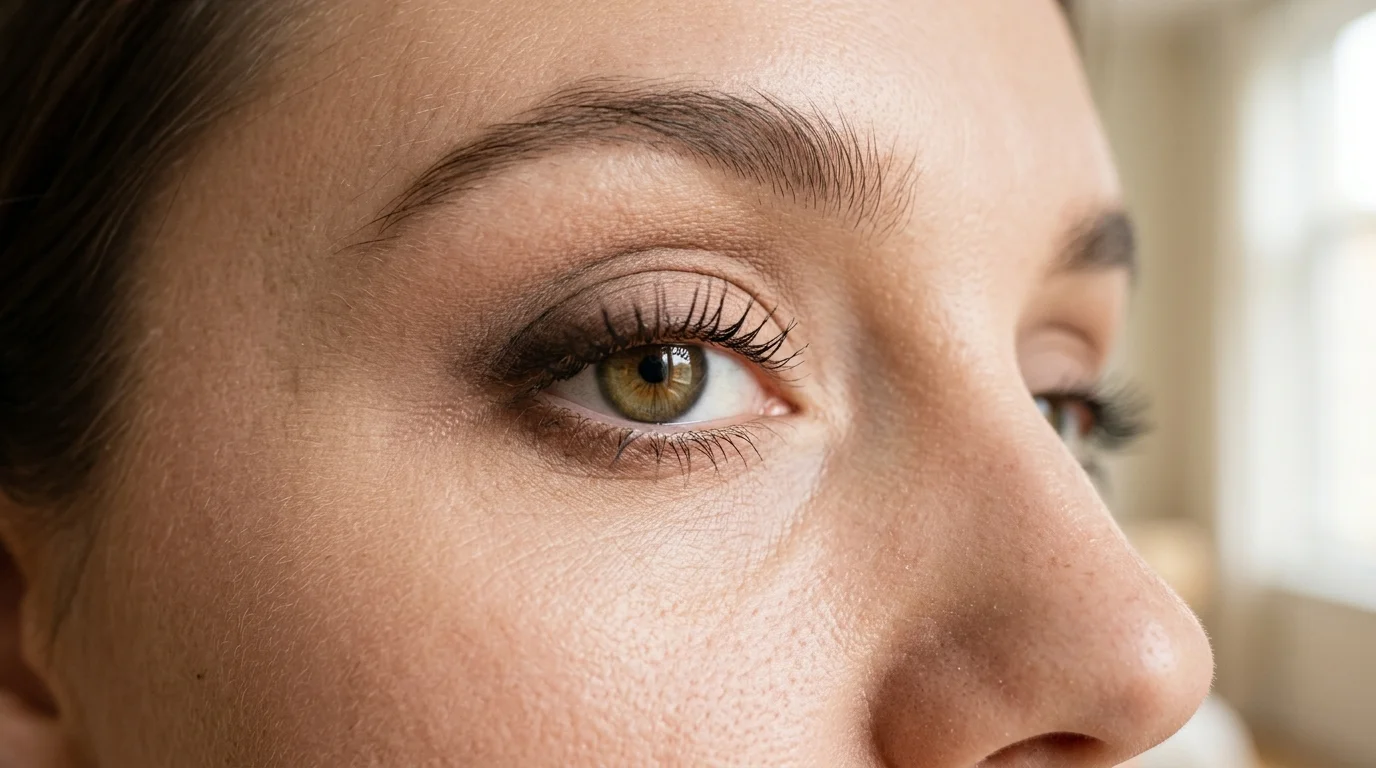
The skin on your eyelids is the thinnest on your entire face, measuring just 0.5 millimeters thick. Because it lacks subcutaneous fat and contains a high density of sebaceous glands, the way you apply cosmetics here requires a precise, structural approach. Learning how to apply eye makeup is not simply about dusting color onto the skin; it is about managing sebum production, understanding your orbital bone structure, and utilizing light diffusion to enhance your natural eye shape.
Most cosmetic failure on the eyes—such as creasing, fading, or smudging—is a chemical reaction. When the oils from your skin mix with the binding agents in your eyeshadow, the pigment breaks down. To achieve a smooth, natural looking eye makeup finish, we must focus on proper preparation and strategic placement.
The Primer Protocol
Never apply powder pigments directly to bare eyelids. A high-quality makeup primer is structurally necessary to create a polymer film over the skin, blocking oil breakthrough and giving the pigment a stable base to adhere to.
How to Apply Eye Makeup for Beginners: The Core Steps
If you are learning how to apply basic eye makeup, the goal is to build dimension using light and shadow. A standard daytime eye makeup routine requires just three shades: a neutral base, a mid-tone crease color, and a dark defining shade.
- Clean and Prep: Start with clean, dry skin. Tap a tiny amount of eye primer across the lid from the lash line up to the brow bone. Let it set for 60 seconds.
- Lay the Base: Use a flat brush to press a matte, neutral shade (close to your skin tone) all over the eyelid. Pressing the pigment ensures better grip than sweeping.
- Define the Crease: Take a fluffy brush and a mid-tone brown or taupe. Buff this into the natural fold of your eye using a soft windshield-wiper motion. This mimics a natural shadow, pushing the crease back and making the eye look deeper.
- Add Depth: Use a dense, small brush to press a dark shade along your upper lash line. This makes the root of your lashes look thicker without the harsh line of liquid eyeliner.
For a deeper dive into shade blending, our guide on how to apply eyeshadow for beginners breaks down the exact brush motions needed for a seamless finish.
Adjusting for Structural Anatomy
Your bone structure dictates your application method. What works for large, prominent eyes will make deep-set eyes recede further. Here is how to adjust your technique.
How to Apply Makeup to Hooded Eyes
Hooded eyelids have an extra fold of skin that droops over the crease, often hiding the mobile lid when the eye is open. The clinical fix is to create a "false crease." Instead of applying your mid-tone shadow into the actual fold where it will be hidden and rubbed away, keep your eyes open and look straight into the mirror. Apply the shadow slightly above the natural fold, directly onto the brow bone. For a complete structural breakdown, read our protocol on how to do makeup for hooded eyes.
How to Apply Makeup to Make Eyes Look Bigger
To expand the visual size of small eyes, you must use light to your advantage. Dark colors absorb light and make objects look smaller; light colors reflect light and bring objects forward. Apply a shimmery, light shade to the inner corners of your eyes and the center of your lid. Avoid dark eyeliner on your bottom waterline; instead, use a flesh-toned or white pencil to extend the visual white of the eye.
Best Practices
- Using matte shades in areas you want to visually recede (like a heavy brow bone).
- Pressing shimmer onto the lid with a clean finger for maximum pigment transfer.
- Keeping the darkest colors strictly to the outer third of the eye.
Routine Risks
- Applying liquid liner on heavily textured or sagging eyelids (causes skipping).
- Using concealer as an eye base (its oils will cause immediate creasing).
- Failing to wash tools, leading to bacterial buildup and styes.
Eye Makeup for Older Women: Managing Sagging Eyelids
As we age, cellular turnover slows, and elastin breaks down, leading to mature, droopy eyelids. How to apply eye makeup on older women requires a shift in product formulation. Powder shadows can settle into fine lines and look dry. Switch to cream-to-powder formulas that offer a hydrating lipid base but dry down to a stable finish.
When dealing with sagging eyelids or applying eye makeup over 60, lift the eye visually. Do not drag eyeliner down at the outer corners. Instead, stop your eyeliner a millimeter before the outer edge of your eye and flick it slightly upward toward the tail of your brow. Always use matte shades on the fleshy part of a droopy lid; shimmer will highlight texture and crepey skin.
Clinical Smoothing Eye Primer
Best for Mature and Hooded EyesFormulated with optical blurring spheres and a flexible polymer matrix. It prevents pigment migration on oily lids and smooths crepey texture on mature skin without drying.
Hygiene and Tool Maintenance
The eyes are highly susceptible to infection. The mechanical action of applying makeup with dirty brushes introduces staph bacteria and old oils directly to your lash follicles. Knowing how to clean makeup brushes weekly is a non-negotiable step in your eye makeup routine. Use a gentle, sulfate-free cleanser to protect the brush fibers while dissolving lipid-based makeup residue.
Frequently Asked Questions
How do I apply makeup to make my eyes look bigger?
Focus light, reflective eyeshadows on the inner corners and the center of your eyelids. Use a nude or soft white eyeliner on the lower waterline to extend the visual white of your eyes, and keep dark shadows restricted to the outer corners.
What is the correct order to apply eye makeup?
Always start with a gripping eye primer. Follow with your base eyeshadow, then define the crease, apply eyeliner, and finish with mascara. Applying eye makeup before your foundation allows you to easily clean up any powder fallout without ruining your base.
How to apply a smokey eye makeup look easily?
The easiest method for a smokey eye is to use a soft, smudgy eye pencil. Line your upper and lower lash lines thickly, then use a dense brush to quickly buff the edges upward and outward before the wax sets. Lock it in place by pressing a matching powder shadow over the smudged liner.
Can I apply eye makeup after blepharoplasty (eyelid surgery)?
You must wait for complete clinical clearance from your surgeon, which is typically 2 to 3 weeks post-operation. Once cleared, start with fresh, brand-new products to prevent bacterial infection in the healing incisions. Be extremely gentle and avoid waterproof formulas that require harsh rubbing to remove.
How to apply eye makeup for hooded eyes so it does not transfer?
Because the skin folds over itself, transfer is common. You must use a high-quality eye primer, opt for waterproof or water-resistant gel liners, and set your eye makeup with a translucent powder. Keep your eyes open when applying crease colors so you can place the pigment above the actual fold.
How should older women apply eye makeup on sagging eyelids?
Stick to matte finishes on areas with heavy texture, as shimmer highlights wrinkles. Use cream shadows that do not pull or drag the delicate skin. Lift the outer corners by blending your shadows slightly upward toward the tail of your brow.
What eye makeup is best if I wear glasses?
Glasses can cast shadows under your eyes. Use a brightening concealer to combat this. If you are near-sighted (your lenses make your eyes look smaller), use light, shimmery colors to open them up. If you are far-sighted (your lenses magnify your eyes), use soft matte shades, as your glasses will amplify any harsh lines or heavy glitter.
How do I match eyeshadow to my eye color?
Use color theory. For blue eyes, warm tones like copper, peach, and bronze create sharp contrast. For green eyes, plum and soft purple shades make the green vivid. For brown eyes, navy blue, rich gold, and emerald green provide stunning depth.
Why does my eyeshadow crease during the day?
Creasing happens when the natural sebum (oil) on your eyelids breaks down the binders in your eyeshadow. Using a liquid concealer as a base makes this worse. You need a dedicated, silicone-based or polymer-based eye primer to create a barrier between your skin oils and the pigment.