skincare
How to Repair Your Skin Barrier With a Simple, Gentle Routine
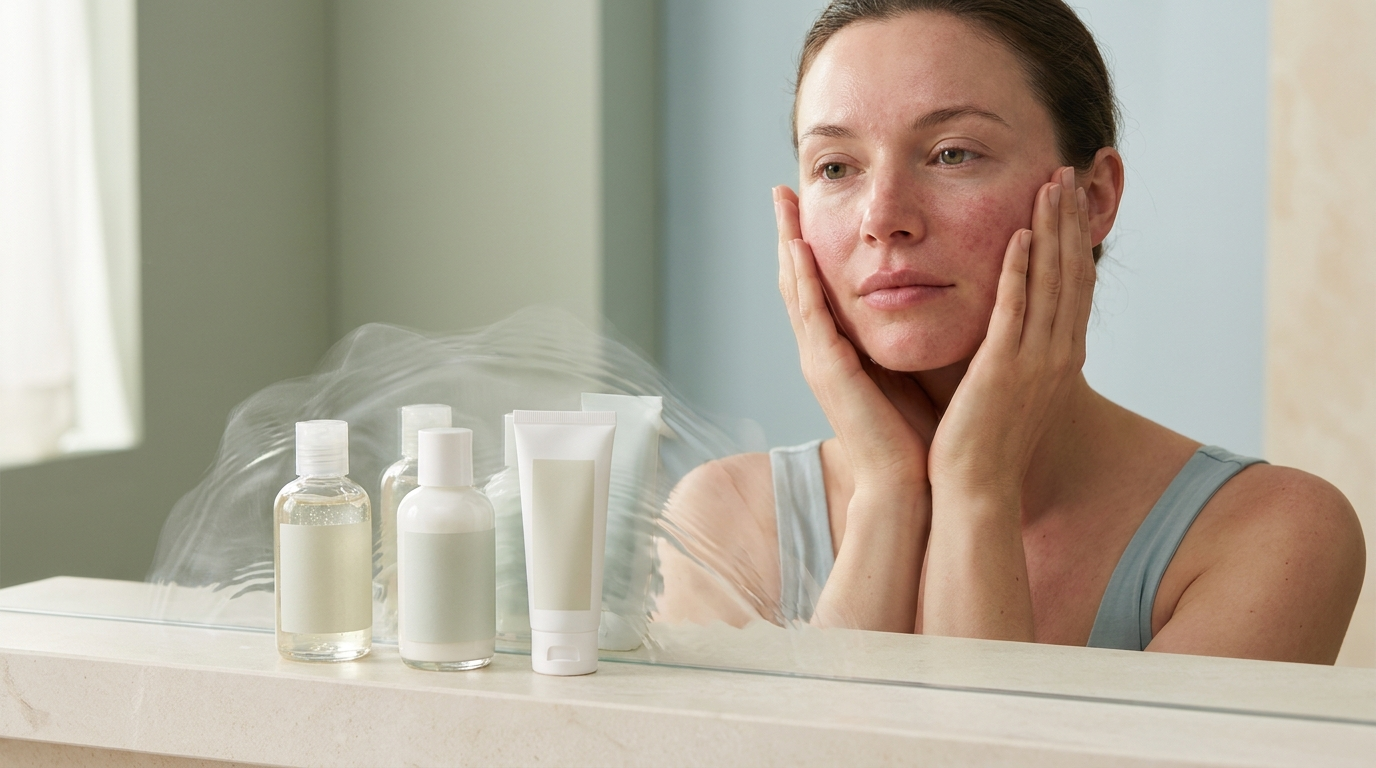
Calm a damaged skin barrier by pausing harsh actives, using gentle cleansing, moisturizing consistently, protecting...
Read Complete Guide →Saffron-Infused Daily Cream for a Brighter, Softer Look
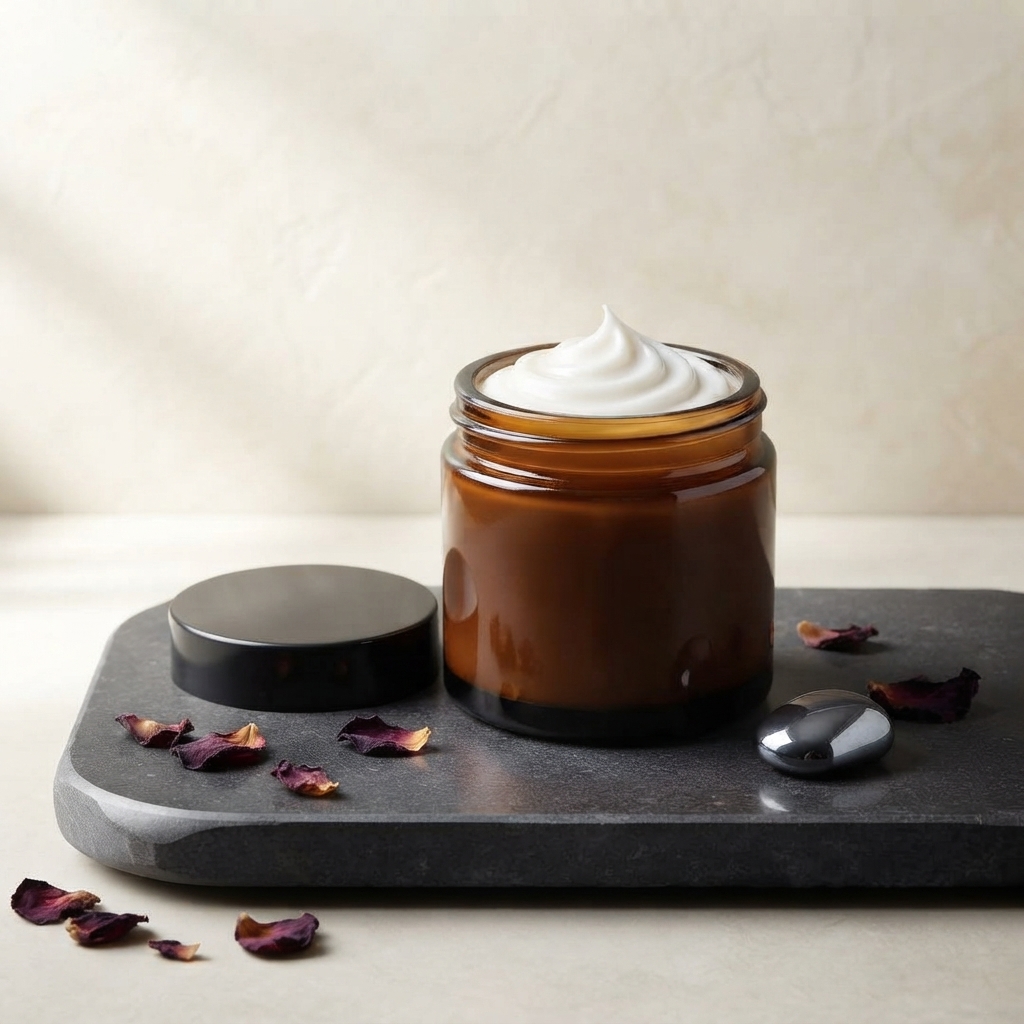
A rich, nourishing daily cream with saffron extracts that helps skin look brighter, softer and more even with regular use. Generous 250g jar for face and body, morning and night.
No credit card required. Fill your delivery details below to confirm your order directly with our dispatcher.
Sun, dust and pollution, long days outdoors and harsh soaps slowly leave skin looking dull, dry and uneven. Many everyday creams feel greasy for an hour and then vanish, doing little for the tired, patchy look that builds up over weeks.
Saffron, or zafran, has been valued in South Asian skincare for generations for the bright, fresh look it is associated with. This cream pairs saffron extracts with a rich moisturizing base, so daily use nourishes deeply while helping skin look brighter, softer and more even over time.
Saffron Extract Formula: Made with saffron extracts, long valued in traditional skincare for a bright, fresh-looking complexion.
Deep Daily Nourishment: A rich cream texture that moisturizes dry, rough patches and leaves skin feeling soft and comfortable.
Brightening Look: Helps improve the look of dull, uneven skin with regular daily use — no harsh bleaching feel.
Generous 250g Jar: A large jar that suits a full daily routine for face and body, so one jar lasts well beyond a few weeks.
Wash the skin and pat it dry, so the cream absorbs into clean skin rather than sitting on dirt and oil.
Take a pea-sized amount for the face, or a little more for larger areas like arms and legs. A small amount spreads a long way.
Massage gently in upward circles until the cream is absorbed. Spend a few extra seconds on dry patches.
In the morning, follow with sunscreen. At night, leave the cream on so it can work while you sleep.
Note: All parcels are securely packed with bubble-cushioning and verified before courier dispatch.
Saffron is one of the most prized natural ingredients in the world, and its place in skincare is much older than any modern trend. In South Asian homes, saffron has been mixed into milk, oils and face packs for generations, always with the same goal: a brighter, fresher-looking complexion. The appeal is not mystery — saffron contains natural pigments and antioxidants that give it its deep colour, and those same compounds are what traditional skincare valued for the skin’s appearance.
In this cream, saffron extracts are carried in a rich moisturizing base rather than a watery lotion. That matters, because a cream does two jobs at once: it delivers the extract to the skin and then seals moisture in, so the skin stays soft long after application. A thin serum can feel light and vanish quickly; a jar cream stays present, which is exactly what dry or dull skin needs through a long day in Pakistani heat, dust and sun.
It is important to be honest about what saffron can and cannot do. It is not a bleach, and it will not change your natural skin colour. What regular use can do is help the skin look brighter, more even and better rested — the difference between skin that looks tired and skin that looks cared for. That difference builds slowly, which is why this cream is made for daily use rather than occasional use.
This cream suits people whose main complaint is dullness, dryness or an uneven look rather than a specific skin condition. If your skin feels tight after washing, looks tired by evening, or has rough patches on the cheeks, elbows or legs, a rich daily cream is the right category of product. It also suits anyone who prefers one jar for the whole routine instead of five different bottles.
If your skin is very sensitive, reactive, or currently broken or irritated, patch test first: apply a small amount on the jawline or inner arm and wait a day. Fragranced creams and plant extracts can occasionally irritate highly reactive skin, and a patch test costs nothing while a full-face reaction costs days of discomfort. The same rule applies if you are already using strong exfoliating acids or prescription skin products — keep routines simple and introduce one new product at a time.
People with very oily skin can still use the cream, but a smaller amount is the sensible approach — a thin layer at night rather than a thick layer under daytime makeup. And anyone expecting the cream to erase deep pigmentation or old marks entirely should adjust that expectation: a daily moisturizer improves the overall look of the skin, but stubborn marks need patience and, sometimes, a targeted serum alongside.
In the morning, the routine is short: cleanse, apply a thin layer of the cream, and finish with sunscreen. Sunscreen is not optional here — sun exposure is the fastest way to undo brightening progress, and any brightening routine without sun protection is working against itself. The cream sits well under sunscreen because it absorbs fully rather than pilling on the surface.
At night, you can be a little more generous, especially on dry areas. After cleansing, apply the cream to the face and neck, and to any dry patches on the body. Night is when skin loses the most moisture to dry air, so a richer layer before bed is the simplest way to wake up with softer skin. There is no need for a separate night cream if this jar is doing the job.
For the body, the best time is right after a shower, when skin is still slightly damp. Damp skin absorbs cream more easily, so you use less product for the same softness. A 250g jar makes this practical: you are not rationing a tiny tube, and you can cover arms, legs and elbows without worrying that the jar will run out in a week.
The most common mistake is using far too much. A thick white layer does not absorb faster or work harder — it sits on the surface, transfers onto clothes and pillows, and empties the jar twice as fast. A pea-sized amount for the face and a coin-sized amount per limb is plenty; if skin still feels dry after a few minutes, add a little more rather than starting with a lot.
The second mistake is rubbing harshly or applying cream over unwashed skin. Cream applied over the day’s dust, sweat and sunscreen seals all of that in with it, which can leave skin looking congested rather than fresh. A quick cleanse first takes thirty seconds and changes the result completely.
The third mistake is mixing too many strong products at once. If you are already using a strong exfoliating acid, a retinoid, or a prescription product, do not stack this cream on top in the same routine without guidance. Keep it simple: one new product, used consistently, beats five products used randomly. And the final mistake is judging the cream after two or three days — brightening is a weeks-long process, and early verdicts are almost always wrong.
In the first week, the change you should expect is about feel, not colour: skin feels softer, less tight after washing, and more comfortable through the day. That softness is real progress, even though the mirror may not show much yet. Moisturized skin reflects light better, which is why well-hydrated skin already looks healthier.
By the second to fourth week of daily use, the look usually starts to catch up with the feel. Dullness softens, the overall tone looks more even, and dry patches become less noticeable. This is the window where most people decide whether a cream is working for them — not because something dramatic happened, but because skin consistently looks rested rather than tired.
Beyond a month, the cream becomes maintenance. Brightening is not a one-time fix; sun, dust and late nights keep working against it, so stopping usually means the dull look creeps back over time. The honest way to judge this jar is after a full month of daily use, comparing how your skin looks and feels against where it started — not against a filtered photo or someone else’s skin.
A jar cream needs one habit that tubes do not: clean hands or a small spatula every time. Dipping wet or unwashed fingers into the jar introduces moisture and bacteria that shorten the cream’s life and can irritate skin. Keep a small clean spatula or spoon with the jar, or wash and dry your hands first — either habit keeps the remaining cream fresh to the last scoop.
Storage is simple: close the lid tightly after every use, and keep the jar in a cool, dry place away from direct sunlight and bathroom steam. Heat and humidity break creams down faster, changing their texture and smell. A bedroom shelf or dressing table is better than a steamy bathroom shelf or a sunny windowsill.
Stop using the cream and let skin rest if you notice persistent redness, itching or breakouts that started after you began using it. That is not a sign to push through — it is a sign your skin does not agree with something in the formula. Patch testing a new cream for a day before full use avoids most of this entirely.
Serums and creams are often confused, but they do different jobs. A serum is thin and targeted — it delivers active ingredients quickly and then needs a moisturizer on top to seal them in. A cream like this one is the seal itself: it moisturizes and carries its saffron extracts in one step. If your routine is already long, a cream simplifies it; if you love serums, this jar works as the moisturizer step after them.
Lotions are lighter than creams and suit very oily skin or hot, humid days, but they often fall short for dry patches because they contain more water and less sealing power. This jar sits on the richer side, which is why it suits normal to dry skin and winter months better than a thin lotion would.
DIY saffron remedies — saffron soaked in milk or mixed into homemade packs — are part of the tradition this cream draws on, but they have practical problems: the dose is guesswork, saffron can stain, and a homemade mix has no shelf life. A made cream gives you a measured, stable, repeatable amount every day, without staining your pillow or your clothes. Tradition is the inspiration; the jar is the practical version.
Two hundred and fifty grams is a generous size, and the way to get value from it is portion control, not rationing. A pea-sized amount covers the face; a coin-sized amount covers an arm or a leg. Used that way, one jar typically lasts several weeks of daily face use, and longer if it is mainly a body cream used after showers.
The wasteful pattern is the opposite: scooping a large amount, using it for three days, and then leaving the jar open in a steamy bathroom while reaching for something new. Consistency beats quantity every time — a small amount every day outperforms a large amount used in bursts.
At Rs. 649, the jar works out to a few rupees per day of use, which is the right way to judge a daily cream: not by the jar price alone, but by how many comfortable, well-moisturized days it buys. Used daily and stored properly, this jar is one of the lowest-cost steps in a skincare routine, and it is the step that makes every other product in the routine sit better on the skin.
Learn clinical dermatologist-aligned techniques, ingredient layering, and common mistakes to avoid.
Calm a damaged skin barrier by pausing harsh actives, using gentle cleansing, moisturizing consistently, protecting...
Read Complete Guide →
Learn how to build a basic skincare routine from scratch. We break down the exact products, layering order, and act...
Read Complete Guide →
Build a gentle acne-prone skincare routine with cleanser, moisturizer, sunscreen, and carefully introduced acne tre...
Read Complete Guide → Cash on Delivery
 Cash on Delivery
 Cash on Delivery
 Cash on Delivery