skincare
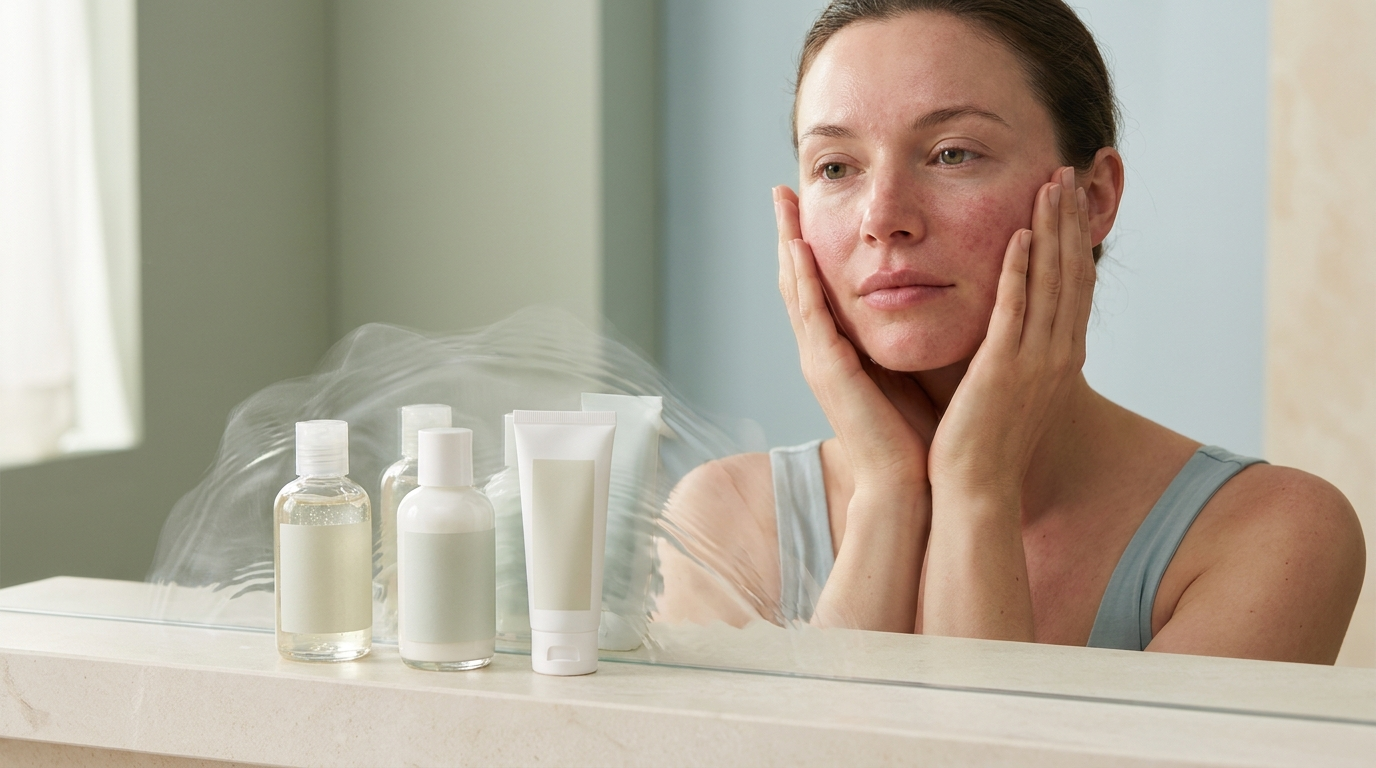
How to Repair Your Skin Barrier With a Simple, Gentle Routine
Calm a damaged skin barrier by pausing harsh actives, using gentle cleansing, moisturizing consistently, protecting...
Read Complete Guide →One Soft Peachy-Pink Tint for Cheeks, Eyes and Lips
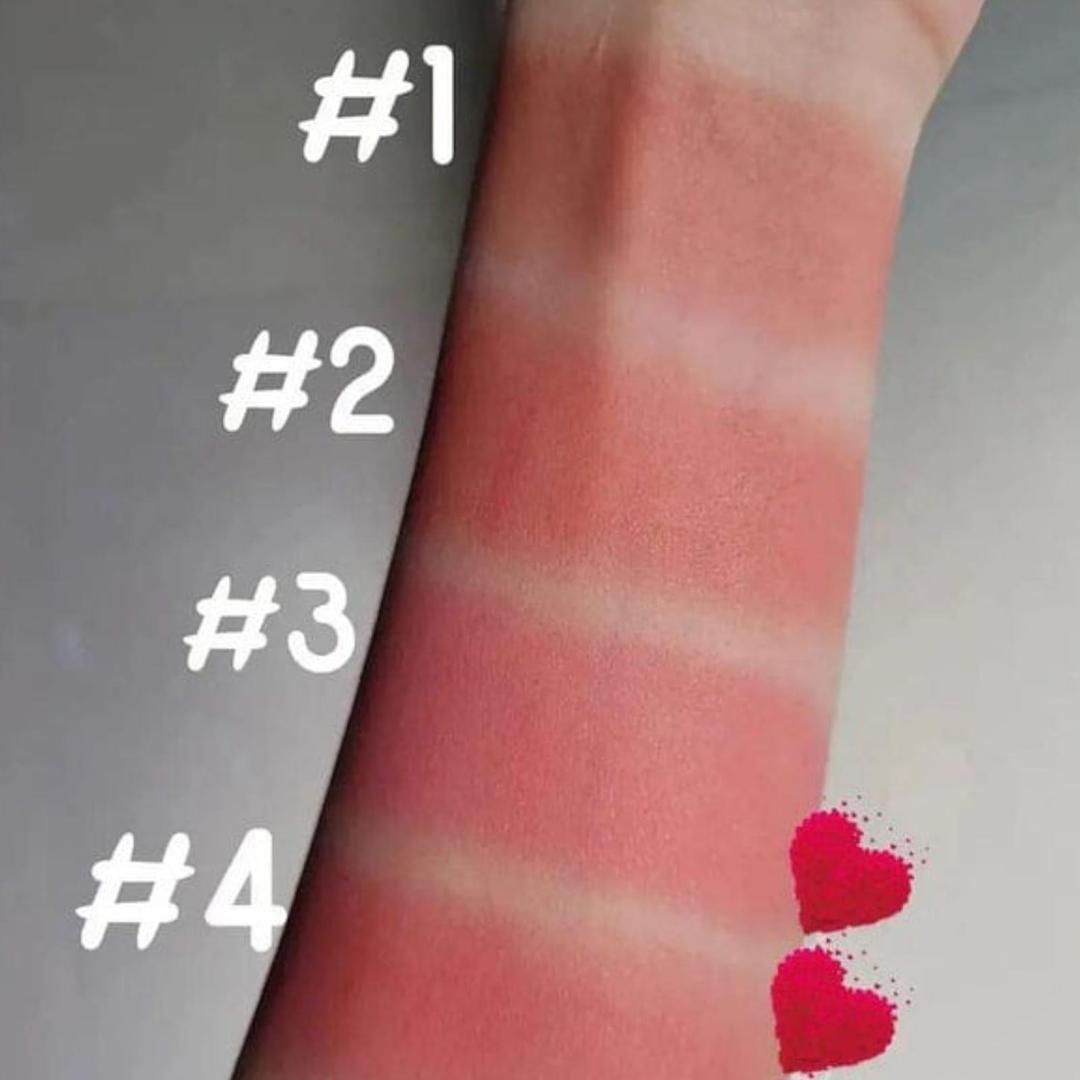
A liquid blush tint in Shade 1 — a soft, peachy-pink tone, the lightest of the shades shown in the swatch photo. One small bottle for cheeks, eyes and lips, with a natural, fresh-looking finish.
No credit card required. Fill your delivery details below to confirm your order directly with our dispatcher.
Powder blush can look dusty on dry skin, patchy over foundation, and faded by lunchtime. It sits on top of the skin instead of blending into it, so the fresh morning flush rarely survives the day.
This liquid blush is a tint, not a powder: a small amount blends into the skin for a natural flush that looks like colour from within rather than colour sitting on top. Shade 1 is a soft peachy-pink — the lightest shade in the swatch photo — made for an everyday, fresh-faced look.
Three Uses in One Bottle: Designed for cheeks, eyes and lips, so one small bottle covers three steps of a natural makeup look.
Shade 1 – Soft Peachy-Pink: The lightest of the four swatched shades, a gentle peachy-pink for a natural, fresh-looking flush.
Liquid Tint Finish: Blends into the skin for a soft tint effect, without the dusty or patchy look powder can leave behind.
Compact 20ml Bottle: Small enough for a handbag or makeup pouch, with a tiny amount needed per use.
Apply moisturizer or foundation first and let it absorb for a minute. Liquid tint blends best on a slightly tacky base, not on dry skin or over powder.
Place one small dot on each cheek. One dot is enough to start — you can always add a second, but removing excess tint is much harder.
Blend upward toward the temples with fingertips or a damp sponge, working quickly before the tint sets. Soft edges are the goal.
Add a second dot only if you want deeper colour. For eyes or lips, press a tiny amount on with a fingertip and blend the same way.
Note: All parcels are securely packed with bubble-cushioning and verified before courier dispatch.
A liquid tint is different from both powder and cream blush. Powder sits on the skin’s surface, and cream sits as a thicker layer that needs careful blending. A tint is a thin liquid that sinks slightly into the top of the skin and leaves colour behind, which is why it looks like a natural flush rather than makeup sitting on top. That is the whole appeal of a tint: it reads as skin, not as product.
Shade 1 is the lightest of the four shades shown in the product’s swatch photo — a soft, peachy-pink tone. On the swatch, shade 1 is visibly gentler than the deeper rose and vivid pink shades below it, which makes it the right choice for an everyday look: a hint of colour that freshens the face without announcing itself. It is the shade for people who want to look rested, not made up.
Because a tint is sheer by nature, it forgives beginners. A heavy powder in the wrong shade is obvious; a light tint in a soft shade is hard to get wrong. One dot, blended fast, gives a believable flush on almost any skin tone — deeper on fair skin, softer on deeper skin — and that range is a feature, not a flaw, of a natural tint.
Shade 1 suits fair to medium skin tones best for a visible but natural flush, and it suits deeper skin tones as a subtle, soft glow rather than a strong pop of colour. If your goal is a bold, obvious blush, this lightest shade will feel too gentle — the deeper swatched shades would be the better pick, but this listing is for Shade 1 only.
It suits people who wear light or no foundation, because a tint blends into bare skin just as well as it blends over a base. It also suits people who dislike powder: if powder blush has ever looked dusty or patchy on you, a liquid tint solves that exact problem by removing powder from the equation.
It is less suited to anyone who wants a dramatic, highly pigmented cheek look, or who wants to choose an exact deep shade — this listing is one shade, Shade 1, and the colour is what the swatch shows. Knowing that before ordering avoids the most common disappointment with single-shade listings: expecting a different depth than the one pictured.
The order matters with a liquid tint: it goes on after liquid or cream base products and before any powder. The sequence is skincare, then foundation if you wear it, then the tint, then a light dusting of powder only if you want to set the rest of the face. Tint over powder is the one order that fails, because the liquid cannot blend over a powdered surface.
For a full natural look from one bottle, use the same tint three ways: a dot on each cheek blended upward, a tiny dot on each eyelid blended with a fingertip for a coordinated wash of colour, and a dot pressed into the lips for a matching tint. Using one shade across cheeks, eyes and lips is what makes a look feel pulled together without effort.
In the evening, the tint comes off with a normal makeup remover or a gentle face wash. Tints are designed to stay through the day, so a quick splash of water alone may not remove them fully — a proper cleanse at night keeps the tint from building up on the skin over days.
The number one mistake is slow blending. Liquid tints begin to set within seconds, so a dot left sitting for half a minute before blending will leave a visible edge that is hard to soften afterwards. Dot, then blend immediately — one cheek at a time, not both cheeks dotted first.
The second mistake is quantity. Two large dots look like a stain, not a flush. Start with one small dot per cheek; the colour builds cleanly with a second dot if needed, but excess tint cannot be removed without taking off the base underneath it.
The third mistake is applying tint over powder, which causes patching and streaking almost every time. And the fourth is unblended edges: the tint should fade to nothing at the edges, with no visible line where it stops. Blending upward toward the temples, rather than in circles, gives the most natural fade and a slightly lifted look at the same time.
The product name promises a long-lasting tint, and the honest version of that promise is this: a liquid tint holds its colour far better through the day than a powder blush, because the colour is in the skin’s top layer rather than sitting on top of it. A morning application typically still shows a soft flush into the evening, especially when the face is not repeatedly touched or rubbed.
What shortens wear is predictable: heavy sweating, rubbing the cheeks, and oily skin without any setting. A very light dusting of translucent powder over the rest of the face — not over the tint itself — helps the whole look hold, and blotting oil with tissue during the day preserves the tint better than adding more product on top.
For lips, expect the tint to fade faster than on cheeks, because eating and drinking wear lip colour off. That is normal for any lip tint, and reapplying a dot after meals is the routine, not a defect. Judge the product on cheek wear, where it is strongest, and treat lip wear as a bonus use rather than the main one.
The cap is the product’s lifeline. Liquid tints dry out quickly when left open, thickening until they apply unevenly. Close the cap tightly after every single use, even if you are mid-routine and plan to come back to it — thirty seconds open is enough to start the drying process at the tip.
Store the bottle upright in a cool place away from direct sunlight and heat. A makeup pouch or dressing table is ideal; a car dashboard or sunny windowsill is not. Heat thins and separates liquid formulas, and sunlight fades both the product and its colour over time.
Do not share a liquid tint, especially for lips: shared applicators and bottles pass bacteria easily. And as with any colour cosmetic, stop using it if you notice persistent redness, itching or swelling where it was applied. A patch test on the jawline before first full use is a sensible habit for any new tint.
Powder blush is the easiest to control in small amounts, but it is also the easiest to see: on dry skin it looks dusty, over foundation it can patch, and by evening it has often faded. It suits oily skin and people who already powder their whole face, because powder on powder blends cleanly.
Cream blush is thicker and more emollient, which suits dry skin and gives a dewy finish, but it needs more blending skill and can slide on oily skin in heat. It is the middle ground between powder and tint in both texture and effort.
A liquid tint is the lightest of the three and the most natural-looking, because the colour comes from within the skin’s surface rather than a layer on top. It is also the fastest to apply — dot, blend, done — which makes it the best choice for a quick everyday routine. Its trade-off is speed of blending: you must work fast, while powder and cream forgive slow blending.
Twenty millilitres sounds small, but a tint is used by the dot, not by the pump or pour. One small dot per cheek per day means a 20ml bottle typically lasts months of daily use — far longer than a powder that gets brushed on generously or a cream that is scooped out freely.
The three-in-one use multiplies that value: the same bottle covers cheeks, eyes and lips, replacing three separate purchases for a natural look. A buyer who uses it for all three uses is effectively paying one price for a coordinated cheek, eye and lip colour, which is difficult to match by buying three separate products.
At Rs. 999, the per-day cost of a tint used daily is a few rupees — and the bottle is small enough to carry everywhere, so touch-ups and travel use cost nothing extra. The value rule for tints is simple: use a small amount, close the cap, and let the bottle last.
Learn clinical dermatologist-aligned techniques, ingredient layering, and common mistakes to avoid.
Calm a damaged skin barrier by pausing harsh actives, using gentle cleansing, moisturizing consistently, protecting...
Read Complete Guide →
Learn how to build a basic skincare routine from scratch. We break down the exact products, layering order, and act...
Read Complete Guide →
Build a gentle acne-prone skincare routine with cleanser, moisturizer, sunscreen, and carefully introduced acne tre...
Read Complete Guide → Cash on Delivery
 Cash on Delivery
 Cash on Delivery
 Cash on Delivery