skincare
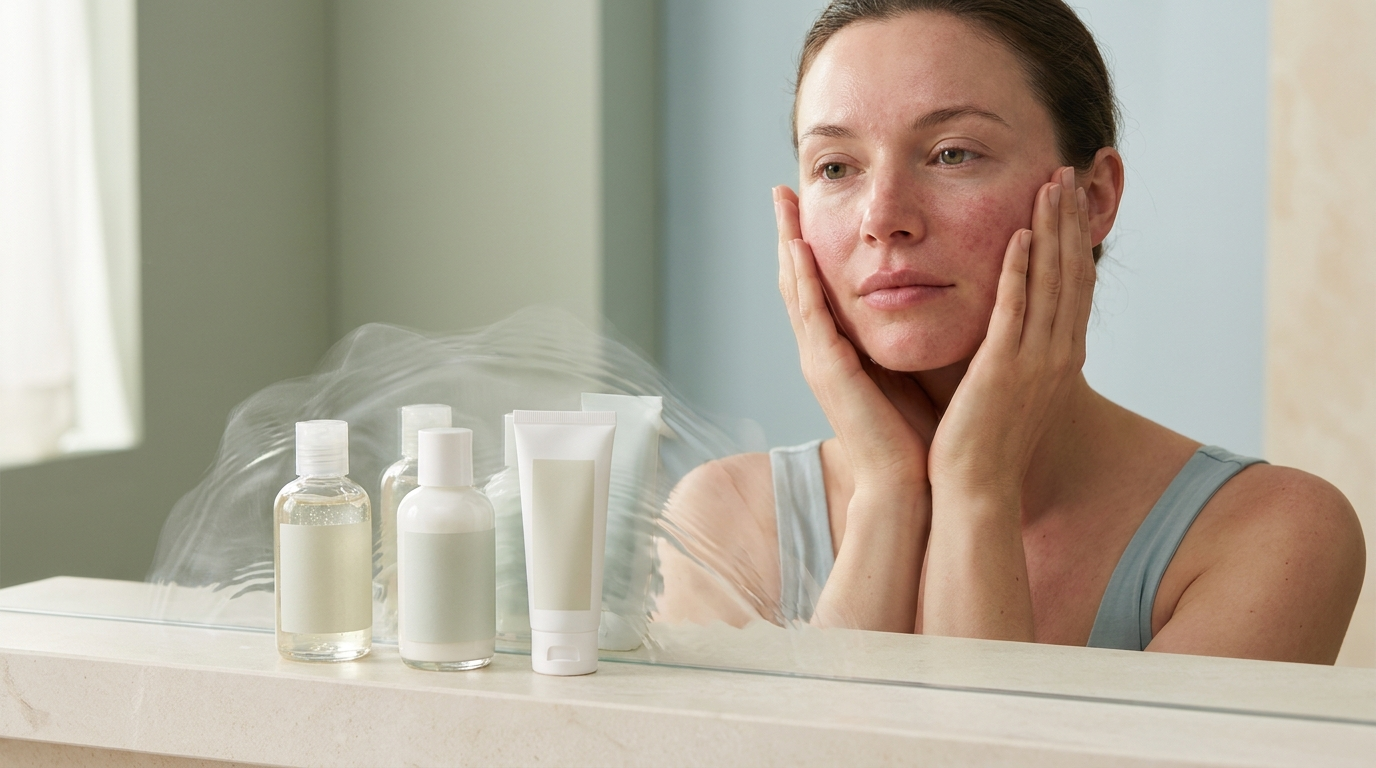
How to Repair Your Skin Barrier With a Simple, Gentle Routine
Calm a damaged skin barrier by pausing harsh actives, using gentle cleansing, moisturizing consistently, protecting...
Read Complete Guide →Ready-to-Use Multani Mitti Clay Mask — No Mixing Needed
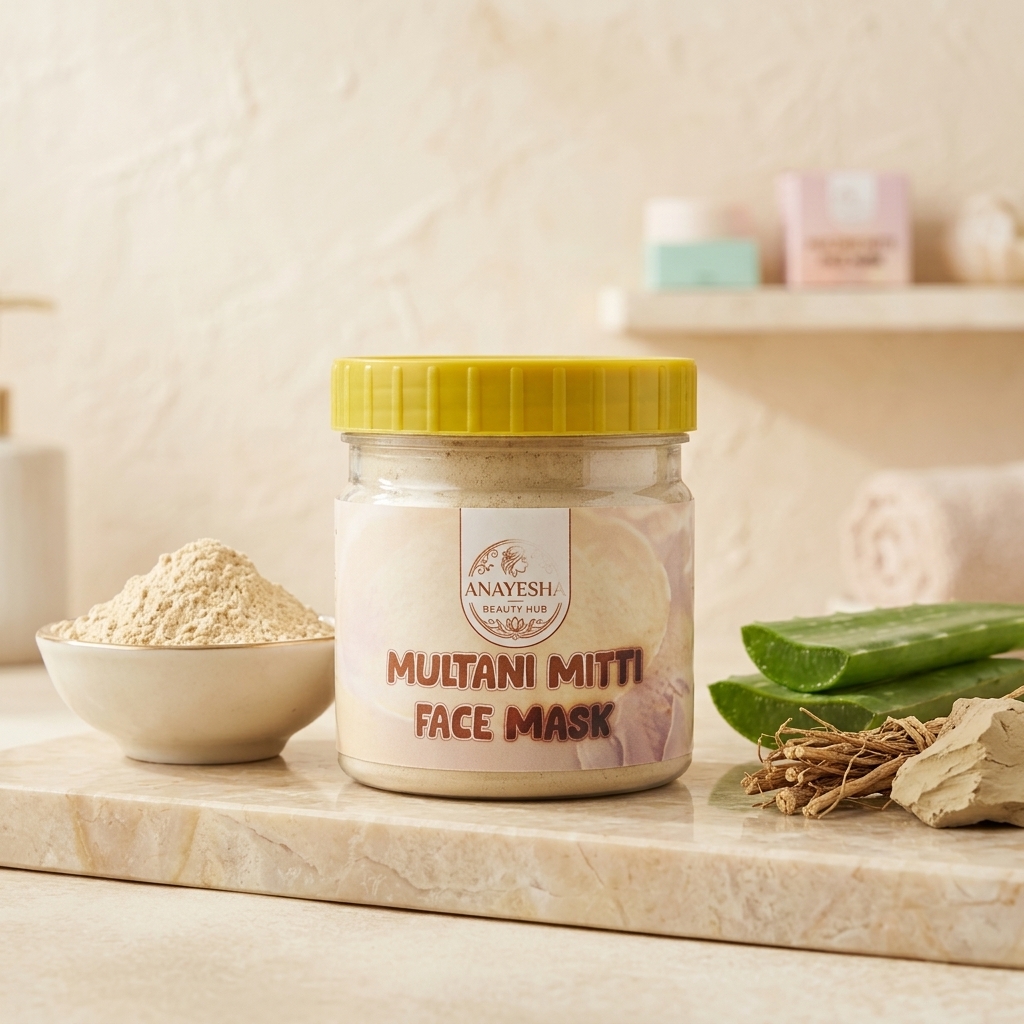
A ready-to-use Multani Mitti (Fuller's Earth) clay mask in a 100g jar — blended with rose petals and neem leaves. It deeply cleanses pores, absorbs excess oil and shine, and helps skin look brighter and more even. No mixing needed.
No credit card required. Fill your delivery details below to confirm your order directly with our dispatcher.
Humidity, dust and oil leave skin looking dull and shiny, with clogged pores and frequent breakouts. Plain cleansers wash the surface but rarely give skin a deep reset.
Multani Mitti is a classic clay that draws out excess oil and impurities. This ready-to-use jar version — with rose petals and neem leaves — gives you the traditional mask without the mess of mixing powder.
Ready-to-Use Jar: No mixing, no mess — scoop and apply straight from the 100g jar.
Deep Pore Cleanse: Clay draws out excess oil and impurities for a fresher feel.
Rose Petals + Neem: A soothing botanical blend for blemish-prone skin.
Brighter Look: Helps skin look brighter and more even with regular weekly use.
Wash your face and pat dry.
Spread an even layer over face, avoiding eyes and lips.
Leave on for 10 to 15 minutes. On sensitive skin, remove before it fully cracks.
Rinse with lukewarm water and follow with moisturizer.
Note: All parcels are securely packed with bubble-cushioning and verified before courier dispatch.
Multani Mitti, known in English as Fuller's Earth, is a naturally occurring clay that has been used on skin in South Asia for generations. Its main job in a face mask is absorption: clay particles draw excess oil, sweat and surface impurities out of the skin as the mask dries, which is why skin often feels cleaner and less shiny after rinsing. That oil-absorbing quality is also why it suits oily and combination skin in particular.
The second thing clay does is give the skin a gentle deep-clean feeling. Daily washing removes surface dirt, but a weekly clay mask reaches the oil and buildup that sits in pores, leaving the face feeling fresher and looking more even. It is not a scrub — there is no harsh rubbing involved — so it cleans without the friction that can irritate skin when overdone.
It helps to understand what clay does not do, too. It does not change your natural skin colour, it does not get rid of blackheads or spots once and for all, and it is not a treatment for skin conditions. Used once or twice a week as a cleansing mask, its realistic role is a regular reset: less shine, cleaner-feeling pores, and a brighter-looking complexion with consistent use over weeks.
This mask is not plain clay. It blends Multani Mitti with rose petals and neem leaves, two botanicals that have long been used in traditional South Asian skincare, and each one earns its place for a different reason. Rose petals are associated with a soothing, calming feel on the skin, which helps balance the drying nature of clay. A pure clay mask can feel tight and stripping; the rose element softens that experience and leaves the skin feeling more comfortable after rinsing.
Neem leaves are included for blemish-prone skin. Neem has a long traditional reputation for helping skin that is prone to spots and oiliness, and in a weekly mask it supports the clay's cleansing role without adding harshness. Together, the three ingredients form a simple logic: clay absorbs oil and impurities, neem supports blemish-prone skin, and rose keeps the experience gentle.
Because this is a ready-to-use jar rather than a loose powder, the blend is already mixed in the right consistency. There is no measuring, no lumps and no guessing how much water or rose water to add — you open the jar, scoop out an even layer and apply. That convenience is part of the point: a mask that is easy to use is a mask that actually gets used every week.
This mask suits oily and combination skin first. If your face turns shiny by midday, if your T-zone gets oily while your cheeks stay normal, or if your skin is prone to blemishes and clogged pores, a weekly clay mask is one of the simplest additions you can make. It also suits anyone who wants a traditional clay mask without the mixing, measuring and mess of loose powder.
It suits people who like a visible weekly ritual, too. A ten-to-fifteen-minute mask in the evening, once or twice a week, is easy to keep up, and the ready-to-use jar removes the main reason people abandon powder masks — the preparation. If you already cleanse daily and moisturise, this mask slots in between those two steps without changing the rest of your routine.
Skip this mask, or use it with extra care, if your skin is very dry or sensitive. Clay absorbs oil, and on dry skin that can mean tightness and flaking if overused. Anyone with eczema, rosacea or broken, irritated skin should not use it until the skin has calmed, and everyone should patch test first. If you are using strong prescription skin treatments, check with your own skincare adviser before adding a clay mask to the same routine.
The simplest routine is once or twice a week, in the evening, when you have fifteen quiet minutes. Cleanse your face first and pat it dry, then apply the mask. Evenings work best because skin is not immediately exposed to sun, dust and makeup afterwards, and you can follow the mask with your normal night moisturiser while the skin is still slightly damp and receptive.
On mask days, keep the rest of the routine gentle. Do not combine the mask with a strong scrub, a peeling treatment or a harsh active product on the same evening — stacking strong steps is how irritation happens. A mild cleanser, the mask, a rinse, and a good moisturiser are enough. On non-mask days, your normal routine continues unchanged.
A practical weekly shape for oily skin is two mask evenings, for example Sunday and Wednesday, with moisturiser every night. For combination skin, once a week is often enough, applied mainly to the oilier areas like the forehead, nose and chin if the cheeks feel dry. Consistency matters more than frequency: a mask used once a week for two months gives a clearer picture of results than a mask used daily for one week and then abandoned.
Start with a clean face. Wash with your usual gentle cleanser, pat dry, and tie hair back so the mask does not end up in it. Scoop a small amount from the jar with clean, dry fingers and spread an even layer over the face, avoiding the eyes and lips. An even layer matters — thick patches dry slowly and unevenly, while a thin, consistent layer dries evenly and rinses off more easily.
Leave the mask on for ten to fifteen minutes. You will feel it tighten as it dries, which is normal. On sensitive skin, do not wait until it has fully cracked — rinse a little earlier, while it is still slightly soft. Fully cracked clay on sensitive skin can leave redness and tightness that lasts into the next day, and there is no benefit in pushing through that stage.
Rinse with lukewarm water, using gentle circular motions with your fingertips to loosen the mask, then pat dry with a soft towel. Do not scrub hard to remove it — water and patience do the job. Finish with moisturiser while the skin is still slightly damp. That final step is not optional, especially for combination skin: clay removes oil, and moisturiser restores comfort and balance afterwards.
The most common mistake is using a clay mask every day. Daily clay use strips natural oils faster than skin can replace them, and the result is often the opposite of what was wanted: tightness, flaking, and sometimes even more oil as the skin tries to compensate. Once or twice a week is the right rhythm for this mask, and more is not better.
The second mistake is leaving the mask on far too long. There is a folk belief that the longer a mask stays, the deeper it works, but after about fifteen minutes the clay has done its absorbing job, and extra time only adds dryness and redness. Set a timer, rinse on time, and never fall asleep with a clay mask on.
Other mistakes are easy to avoid once named: skipping moisturiser after rinsing, which leaves skin tight; applying on broken, sunburnt or freshly scrubbed skin; using the same evening as a strong exfoliant or peeling product; and dipping wet fingers into the jar, which introduces water and bacteria into the product. Clean, dry hands, a timer, and moisturiser afterwards cover most of it.
With regular weekly use over several weeks, the most noticeable change is usually less shine. Oily areas look more balanced through the day, and skin feels cleaner and fresher after each mask. Pores may look less clogged because the clay draws out surface oil and buildup, and the overall complexion can look brighter and more even as dead surface buildup is regularly cleared away.
For blemish-prone skin, a weekly clay mask can support a clearer-looking complexion by keeping oil and buildup under control, but it works as part of a routine — cleansing, mask, moisturiser — not as a single fix. Results vary with skin type, diet, hormones and weather, and no mask can promise the same result for every person. Hot, humid months usually show faster visible benefit, because oil production is higher then.
What this mask will not do deserves the same honesty. It will not lighten your natural skin tone, it will not remove spots or scars once and for all, and it will not treat acne or any skin condition. Those claims belong to medicine, not to a clay mask. What it realistically offers is a traditional, ready-to-use weekly cleanse that helps oily and blemish-prone skin look and feel fresher with consistent use.
Keep the jar tightly closed between uses and store it in a cool, dry place away from direct sunlight and bathroom steam. Always scoop with clean, dry fingers or a small clean spatula — never with wet hands — so water does not get into the jar and change the texture. If the mask ever smells unusual or its texture changes significantly, stop using it and replace it.
Patch test before the first full application: apply a small amount on the jawline or inner arm, leave it for the usual ten to fifteen minutes, rinse, and wait a day. If redness, itching, burning or swelling appears, do not use the mask. This step matters most for sensitive skin and for anyone trying clay masks for the first time.
Stop use if irritation appears at any point, and do not apply the mask on broken, cut, sunburnt or actively irritated skin. Avoid the eye area and lips entirely, and keep the mask out of reach of children. Used with those precautions, a ready-to-use clay mask is a simple, low-risk weekly step — and the 100g jar lasts a good while at one or two thin applications a week.
Learn clinical dermatologist-aligned techniques, ingredient layering, and common mistakes to avoid.
Calm a damaged skin barrier by pausing harsh actives, using gentle cleansing, moisturizing consistently, protecting...
Read Complete Guide →
Learn how to build a basic skincare routine from scratch. We break down the exact products, layering order, and act...
Read Complete Guide →
Build a gentle acne-prone skincare routine with cleanser, moisturizer, sunscreen, and carefully introduced acne tre...
Read Complete Guide → Cash on Delivery
 Cash on Delivery
 Cash on Delivery
 Cash on Delivery